





Shapewear, girdle and faja are often used as if they mean the same thing. For a brand or reseller deciding what to stock, they don’t: each one sells to a different customer, at a different compression level and price point. This guide explains the differences, then shows which one fits which customer.
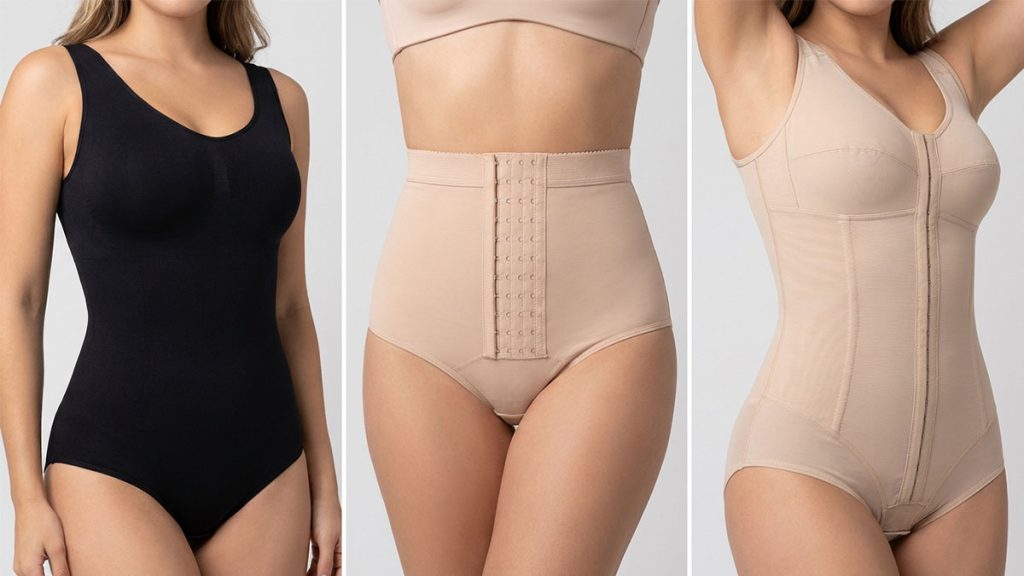
Shapewear: The Broadest Category
Shapewear is the broadest of the three. Any garment designed to smooth, contour or compress the body under clothing counts: bodysuits, shaping shorts, control briefs, camisoles, thigh shapers and full-body suits.
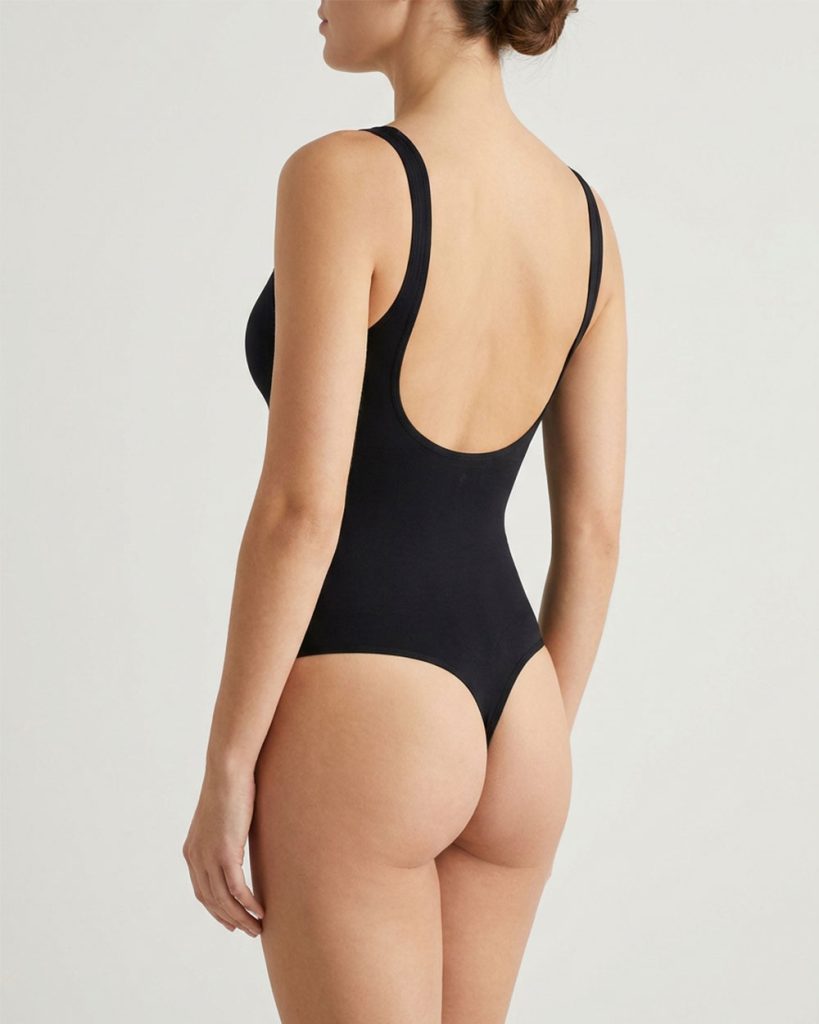
What sets it apart:
- Compression from light to firm. Light styles for everyday smoothing, firmer ones for events. Level names vary from factory to factory; see how we define them in our shapewear compression level guide.
- Comfort-first materials. Nylon-spandex blends, microfiber and seamless knits that can be worn all day.
- Coverage in any combination. From bust to thigh, or just the areas a customer wants to shape.
- Made to disappear under clothing. Seamless construction and thin fabrics stay invisible under clingy dresses.
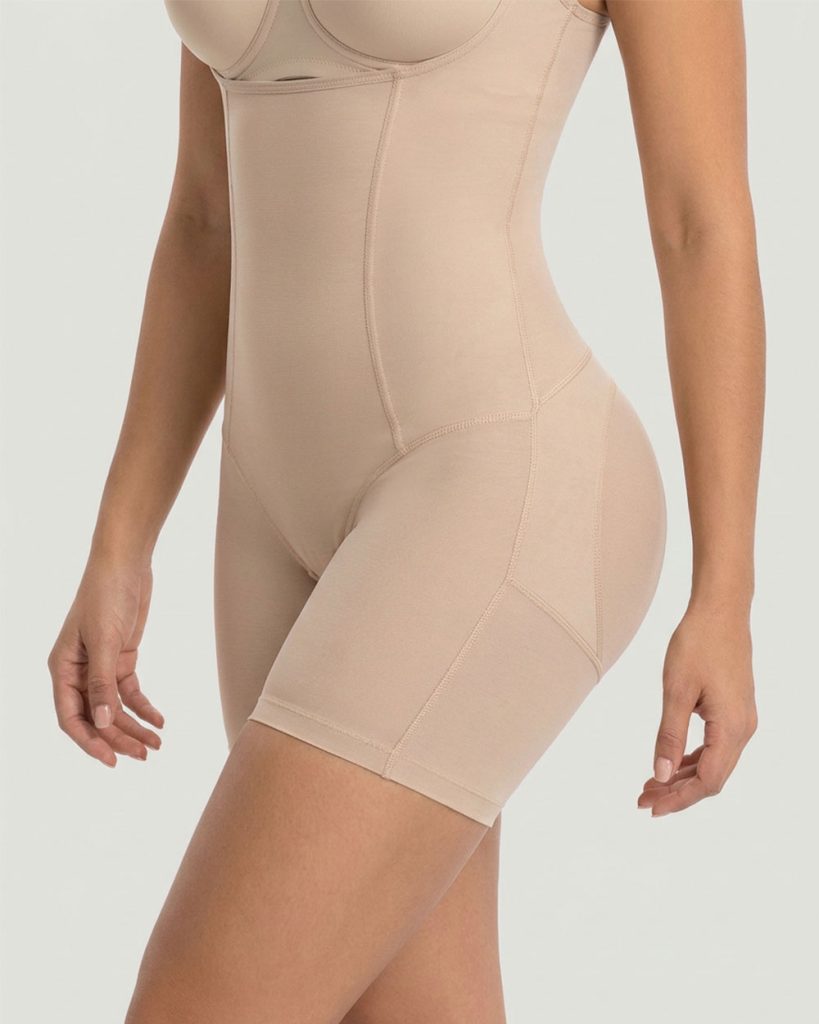
- Butt-lifting styles exist here too, for example our butt-lifting shapewear shorts.
Typical customer: everyday wearers, first-time buyers, and anyone wearing thin or clingy fabrics.
Girdle: The Targeted Classic
A girdle focuses on the lower torso: waist, abdomen, hips and sometimes thighs. It doesn’t cover the upper body. Girdles of the 1930s and 1940s were heavy hook-and-eye garments; by around 1950, all-latex designs such as the Playtex “Living Girdle” were a step away from that heavier style (Museum London). Modern girdles use flexible elastic fabrics, often with adjustable closures.
What defines a girdle:
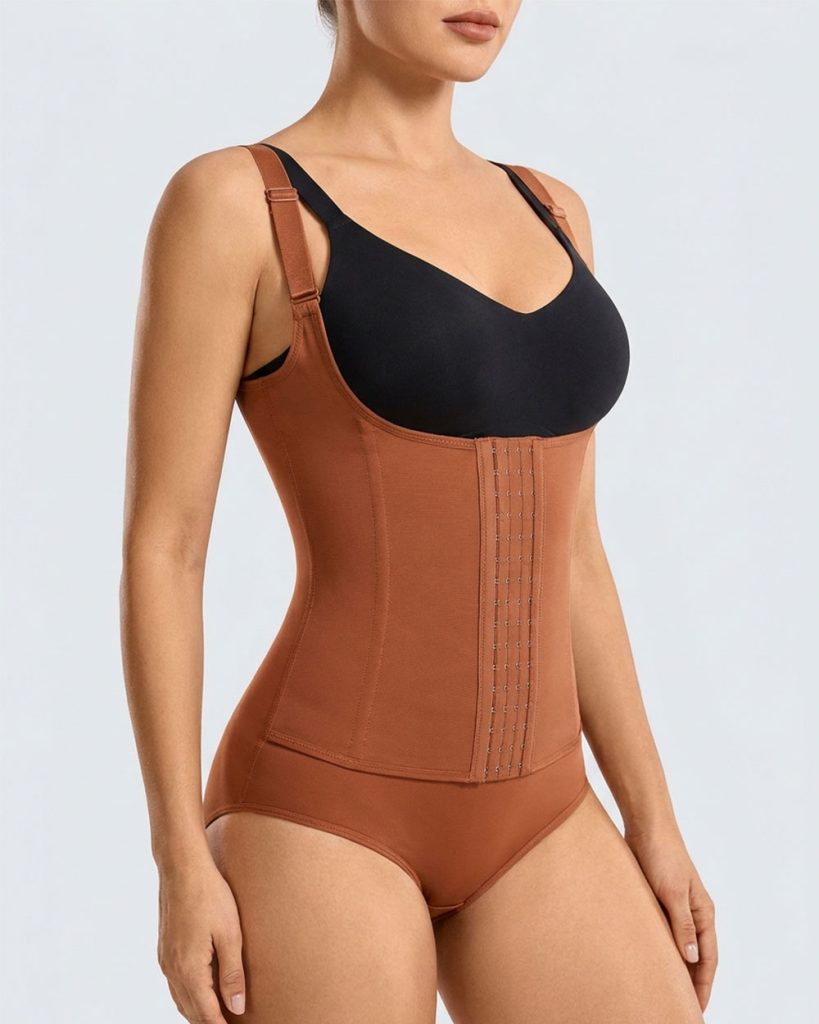
- Concentrated compression on the abdomen and waist, for a more defined waistline than most shapewear.
- Adjustable closures. Rows of hook-and-eye columns let the wearer tighten or loosen the fit as her size changes, for example after pregnancy.
- Lower body only. No bust, back or arm coverage.
Typical customer: shoppers who want waist definition under structured dresses, and customers who want an adjustable fit.
Faja: The Firmest of the Three
A faja (pronounced “FAH-ha”) is a firm compression garment strongly associated with Colombia. Colombia is one of the leading faja exporters, competing directly with China, which is the largest (Portafolio). Colombian brands use “fajas colombianas” as a market name, some with the Colombian flag on their packaging (BBC Mundo, via Semana). In other words, the name describes a style. Our fajas colombianas are cut and sewn at our factory in Quanzhou, China, on Colombian-style patterns.
What makes a faja different:
- Powernet fabric. Powernet is a warp-knitted elastic mesh: inelastic yarns form the ground structure and elastic yarns are laid into it, which gives the fabric high stretch recovery (US Patent 3,552,154). It’s a knit construction rather than a different fiber, which is why powernet holds a garment’s shape so firmly.
- Firm to extra-firm compression. Even daily-wear fajas are firmer than most shapewear.
- Butt-lifting construction. Cutouts and seam placement around the glutes are a signature of many faja styles.
- Stage labels. In the faja market, sellers often label styles Stage 1, 2 or 3 to group them by compression and coverage. We describe each style by its construction and compression level, so you can decide how to position it in your range.
- Latex lining in many models, which adds firmness to the midsection.
Typical customer: shoppers who already wear shapewear and want the firmest, most dramatic shaping. For how Colombian and Chinese production compare, see our Colombian faja vs China shapewear comparison.
Side-by-Side Comparison
| Feature | Shapewear | Girdle | Faja |
|---|---|---|---|
| Coverage | Full-body or partial | Lower body only | Full or lower body |
| Compression | Light to firm | Medium to firm | Firm to extra firm |
| Typical fabric | Nylon-spandex, microfiber, seamless knits | Elastic blends | Powernet, often latex-lined |
| Butt-lifting styles | In some shorts styles | Rare | Signature feature |
| Comfort | Designed for all-day wear | Moderate | Needs a break-in period |
Which One Should You Stock?
1. Who is your customer?
- Everyday wearers and first-time buyers → shapewear
- Customers who want a defined waist under structured clothing → girdles
- Customers who already wear shapewear and want the firmest shaping → fajas
2. What price point do you sell at?
Fajas usually sit at the top of the price ladder. In our experience they retail from about $40 to over $100, so they suit stores whose customers already pay for firm shaping.
3. How much guidance can your listings give?
Shapewear is easy to buy without help. Fajas often need a break-in period, so plan sizing advice and wear instructions for your product pages.
If you’re starting a range, shapewear is the easiest entry. Add girdles and fajas once you know your customers want firmer, more targeted shaping.
Common Myths
“Shapewear burns fat.”
No. Shapewear smooths and contours only while it’s worn, and the effect disappears when it comes off. Sweating in latex-lined garments is water loss, not fat loss.
“Faja is just the Spanish word for girdle.”
Not in this market. A faja colombiana is its own garment: powernet fabric, firmer compression and butt-lifting construction.
“Girdles are outdated.”
The rigid girdles of past decades are. Modern girdles use flexible elastic fabrics and adjustable closures, and remain a go-to for targeted midsection shaping.
“Shapewear is only for plus-size bodies.”
No. Slim customers use it for smoothing under clothing; curvy customers use it for contouring.
Stocking All Three From One Factory
We make shapewear, waist cinchers, control briefs and fajas colombianas, so you can test all three categories with one supplier. Browse our wholesale shapewear catalog to stock existing styles, or see our OEM/ODM services to have them made under your own brand.