
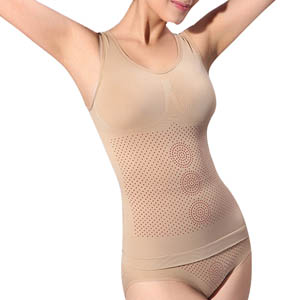
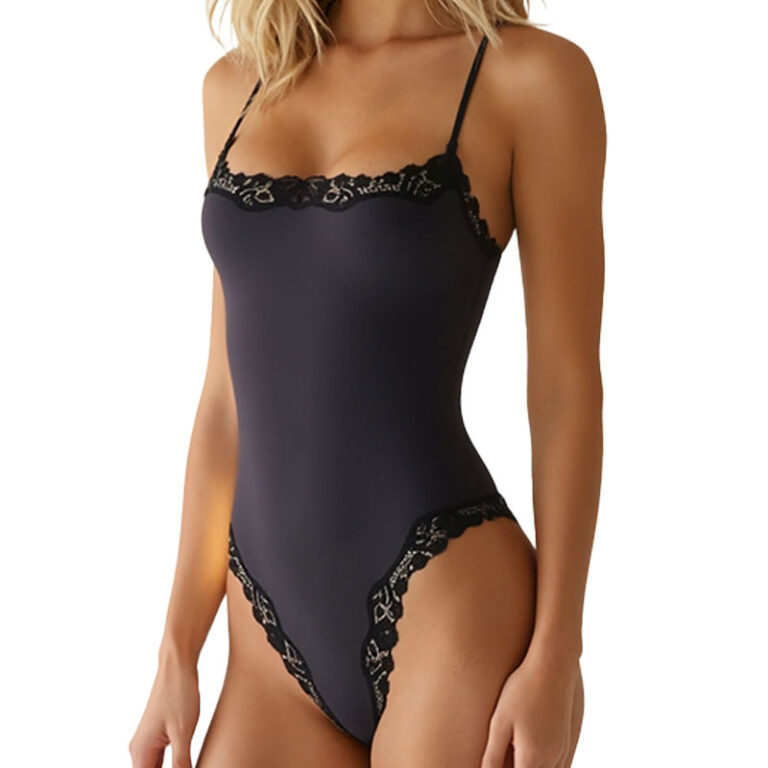
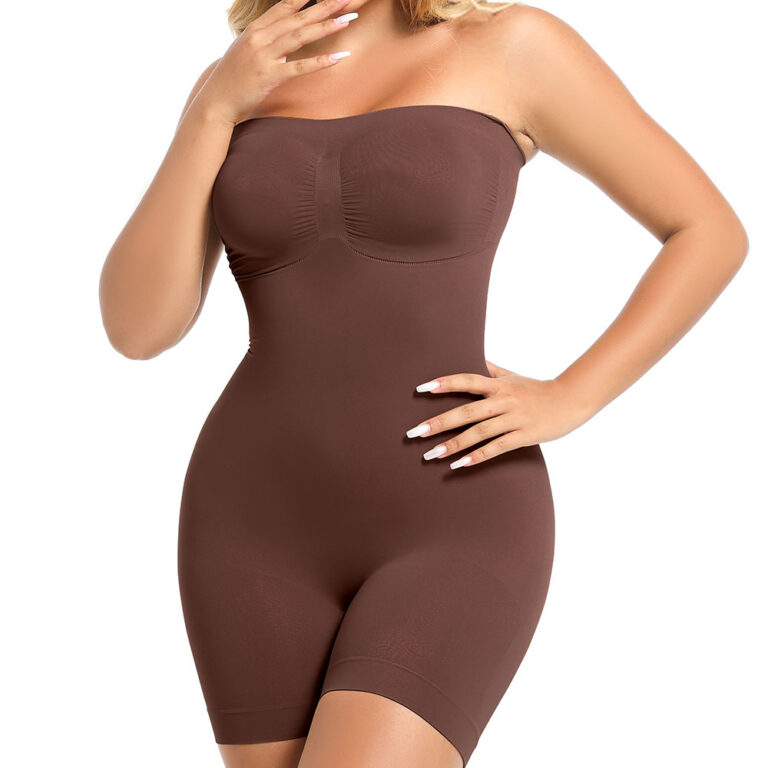
Seamless shapewear Factory in China for Wholesale & Private Label Brands
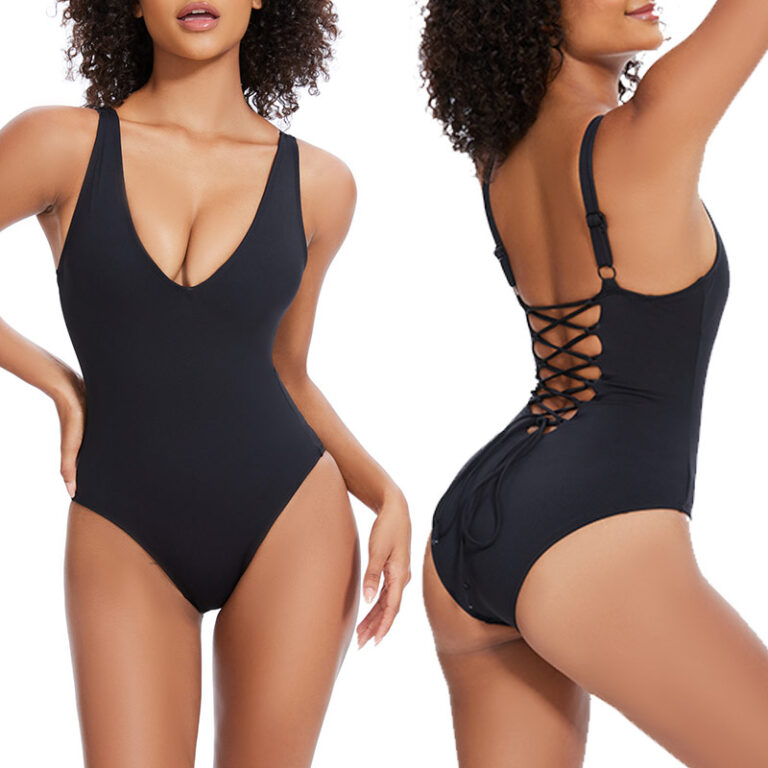
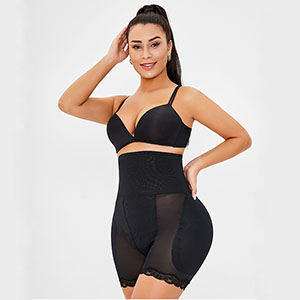
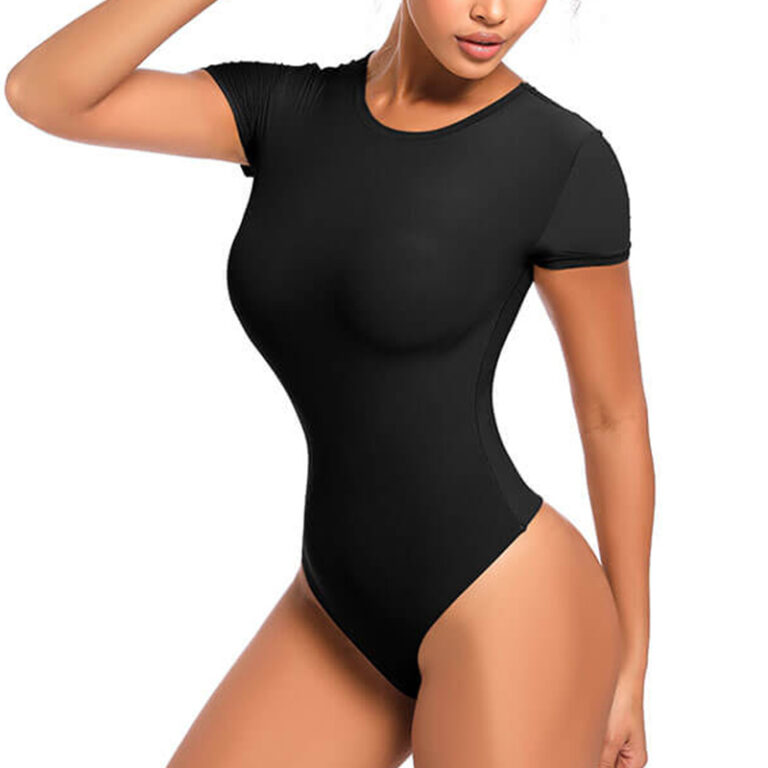
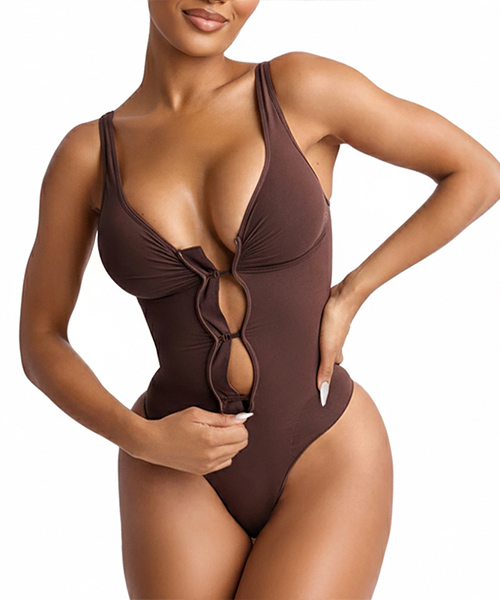
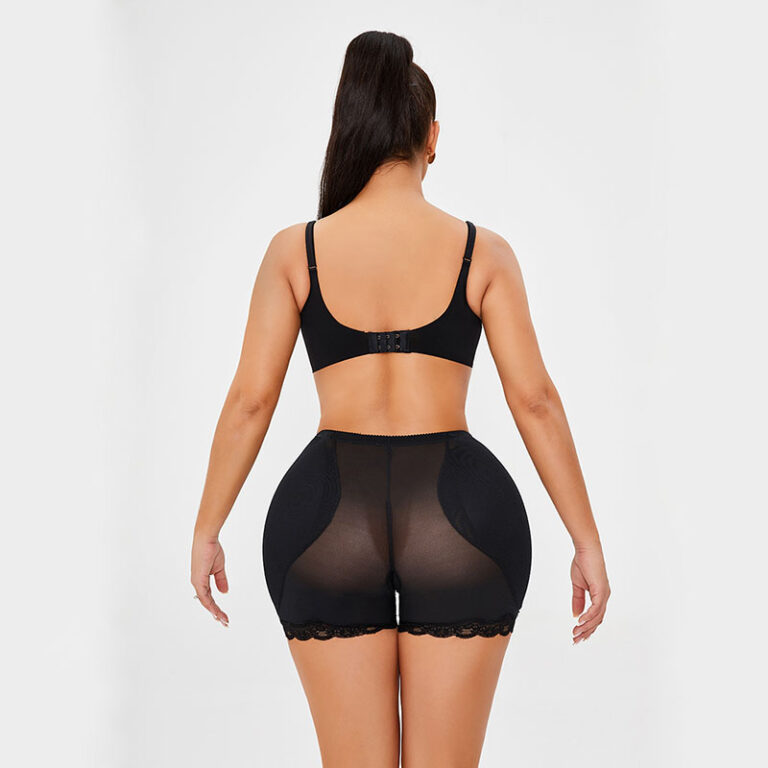
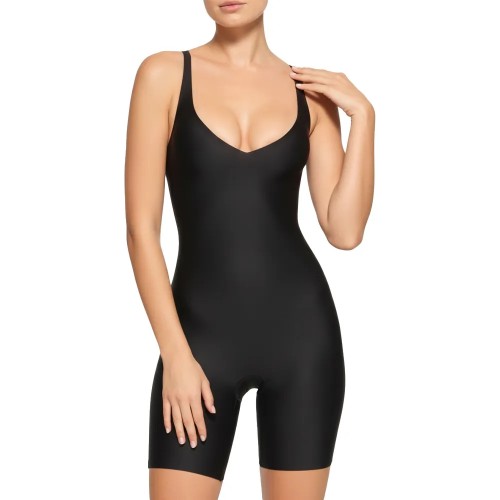
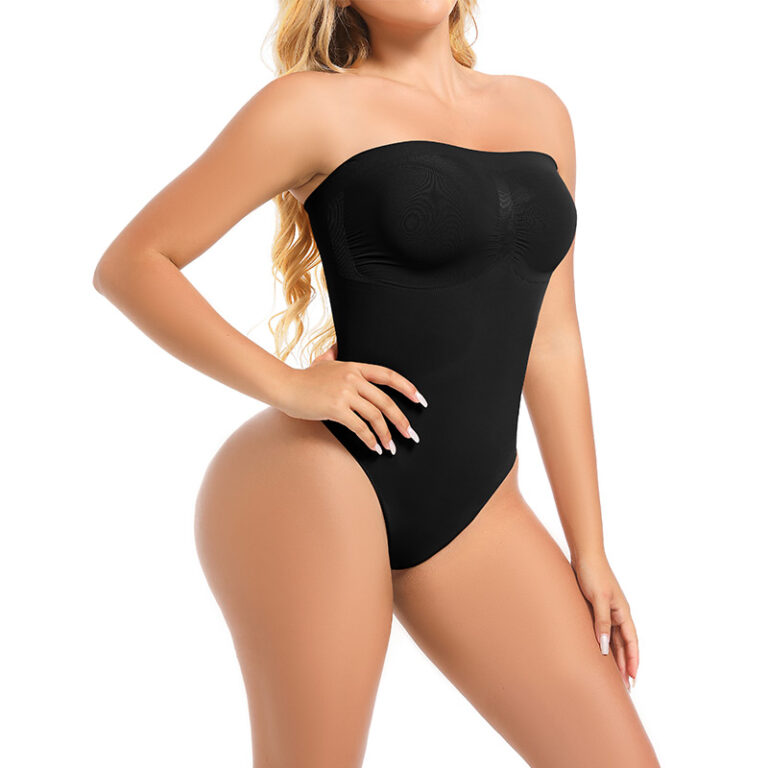
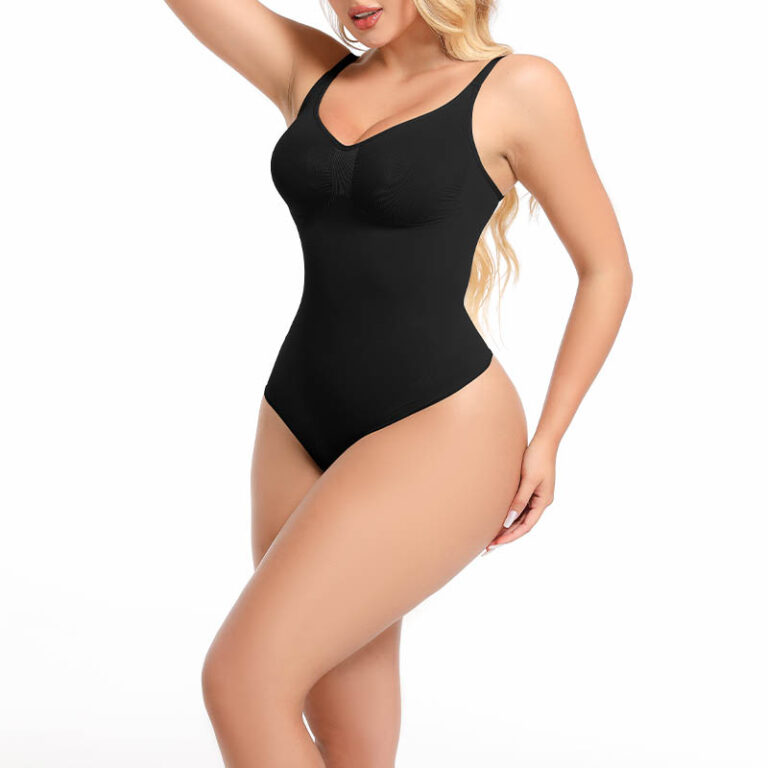
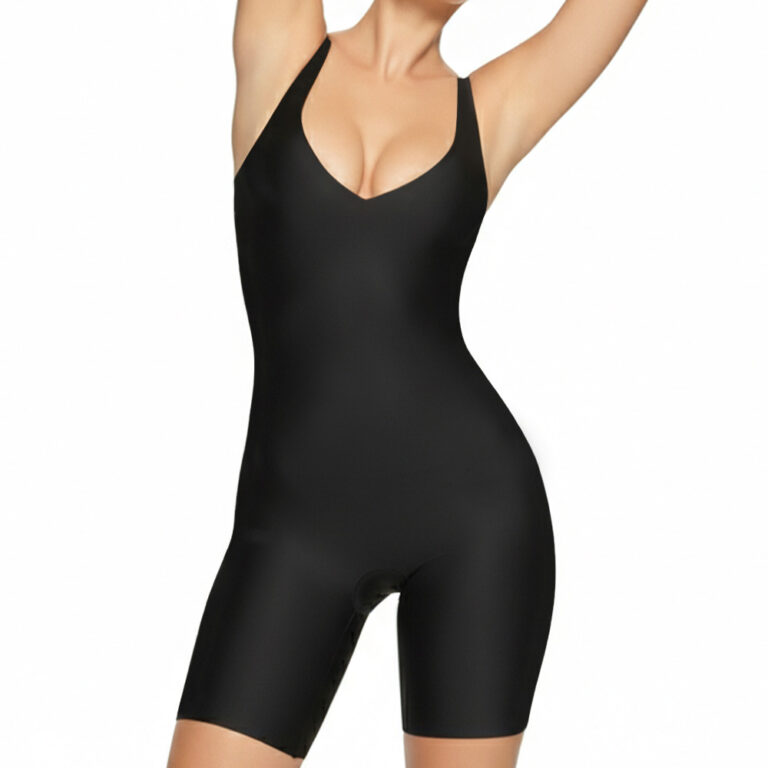
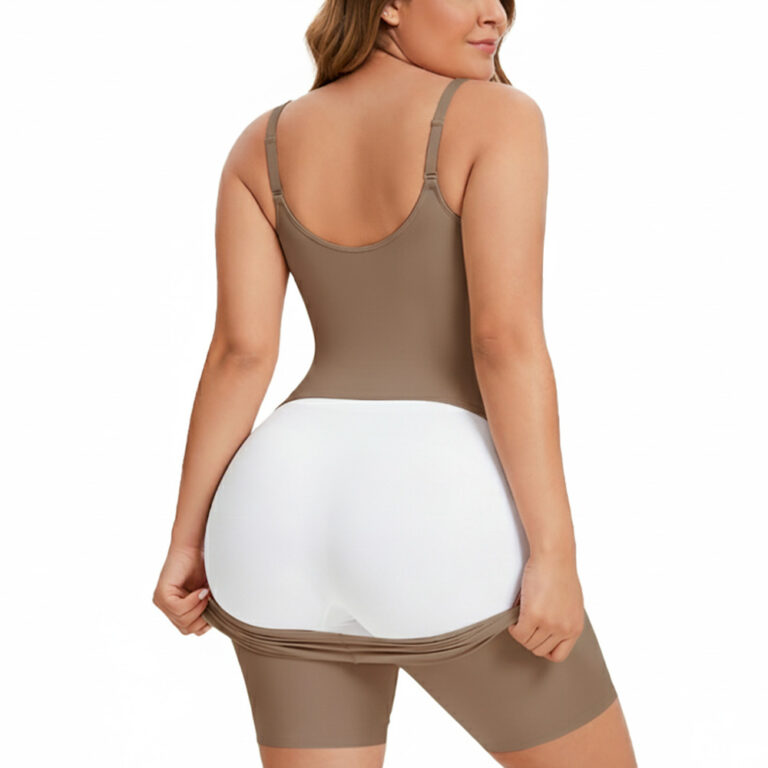
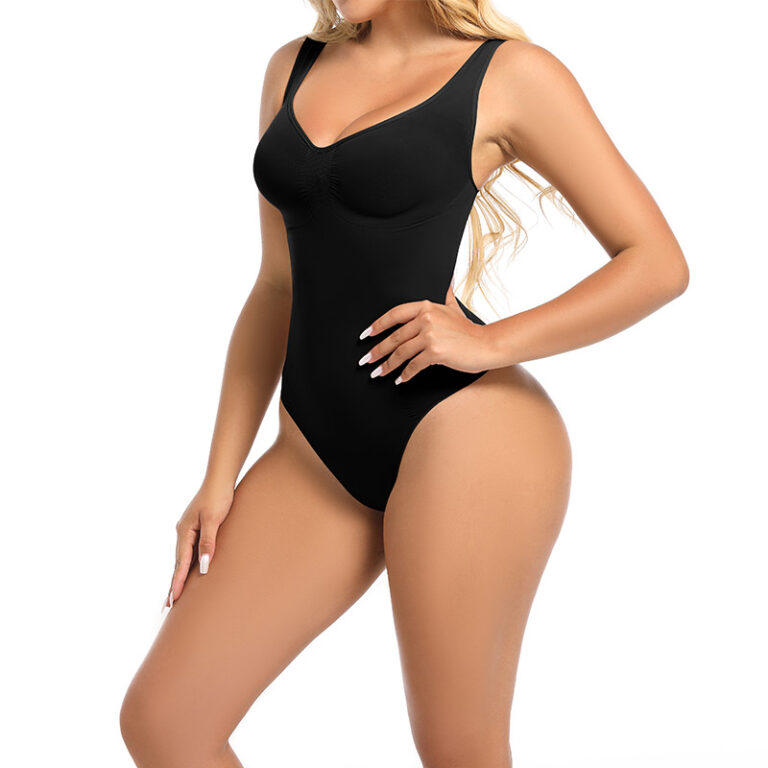
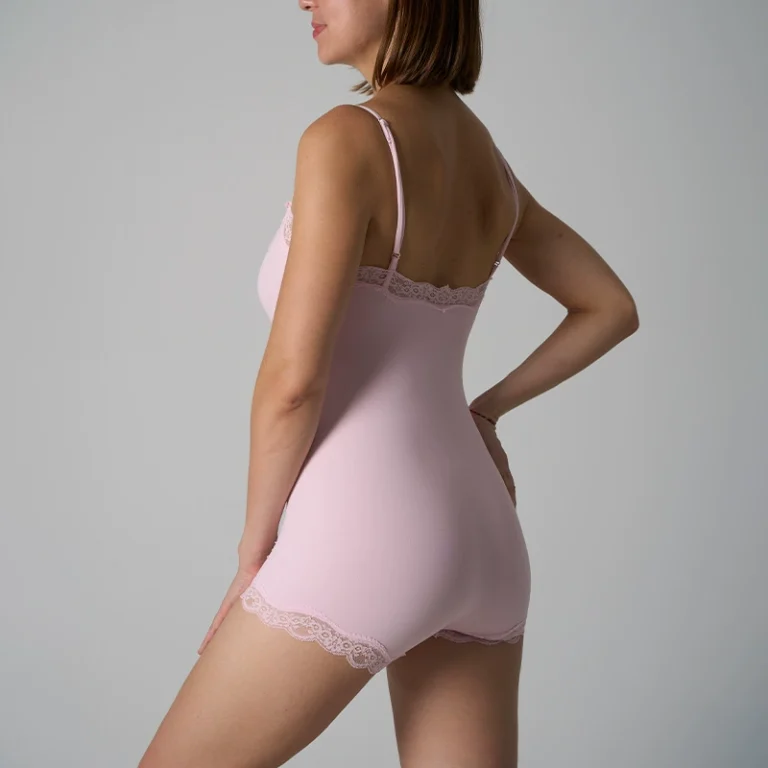
Why Leading Brands Source from Nanbin
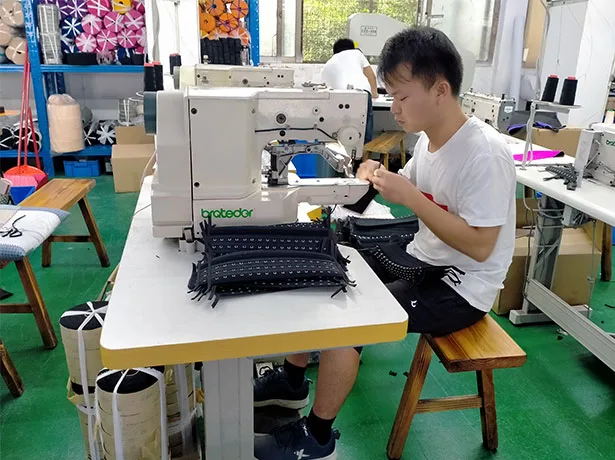
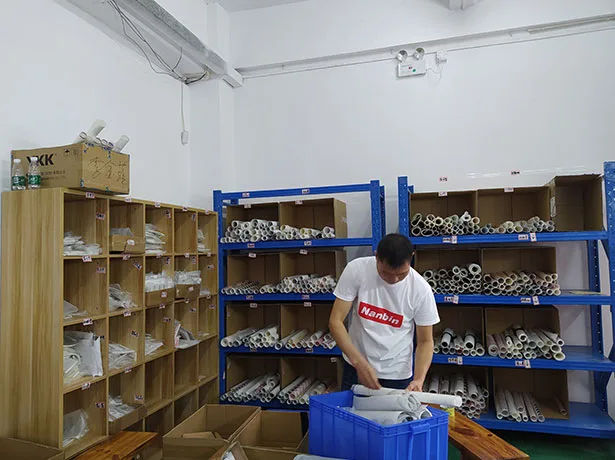
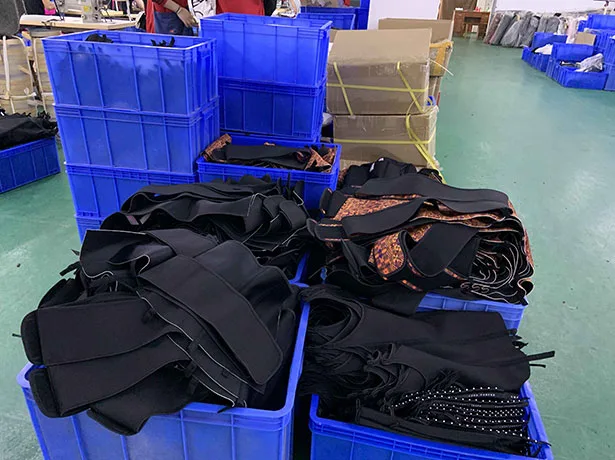
A vertically integrated workflow managing the entire lifecycle from material sourcing to final packaging, ensuring optimal supply chain transparency for global brands.
 01
01
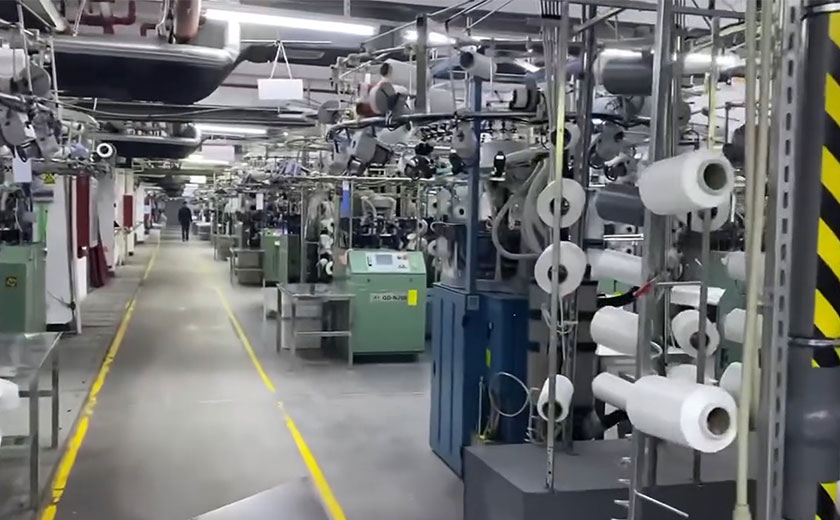
Advanced Santoni circular knitting machinery. Proprietary fabric software and needle programming managed under strict confidentiality. New to sourcing from a seamless shapewear factory in China? Read the complete B2B guide →
 02
02
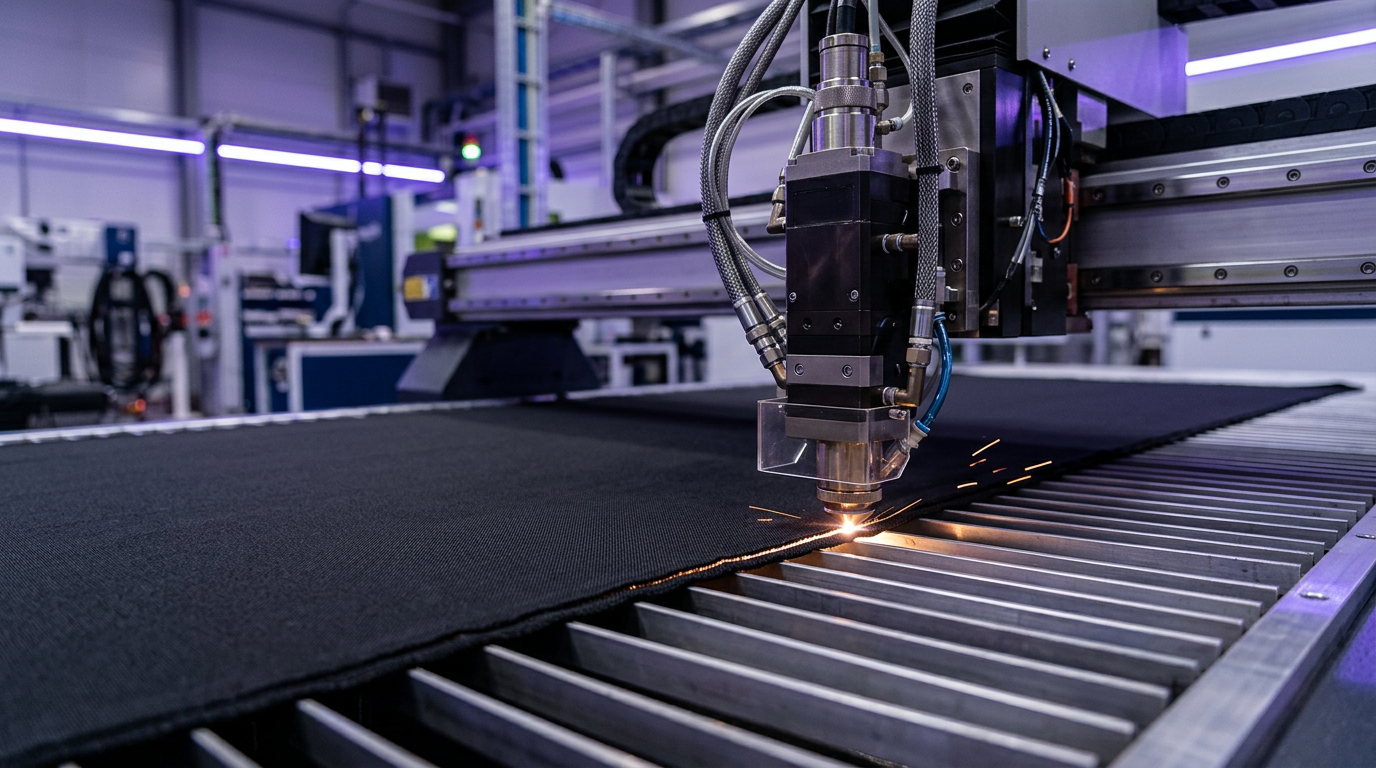
Technical application of premium cooling yarns, GRS-certified recycled nylon, and antibacterial graphene composites.
 03
03
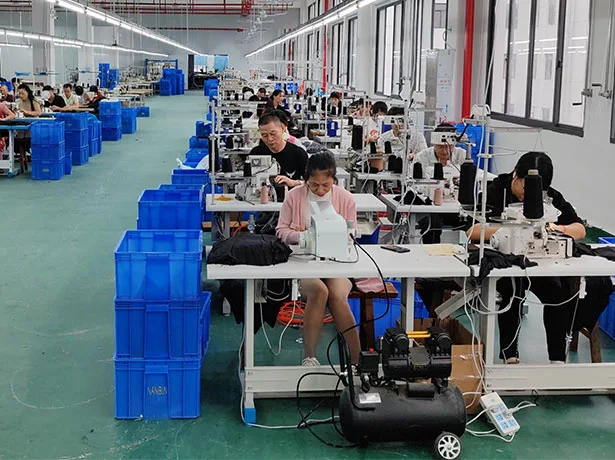
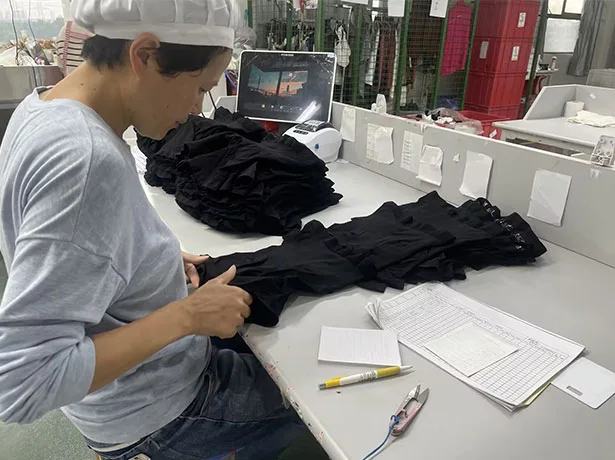
Multi-tier in-process QC checkpoints paired with formal AQL 2.5 statistical sampling audits, maintaining a verified <1.5% defect rate.
 04
04
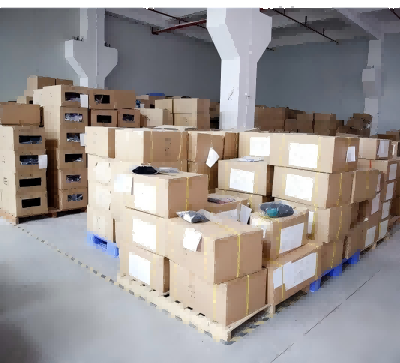
Customized woven labels, custom-molded trims, and specialized packaging engineered to comply perfectly with global brand specifications and international logistics standards.
Built for Brands That Scale
Established in 2015, engineering high-performance shapewear and functional compression collections for North America, Europe, and the Middle East. One core specialization, executed to tier-one industrial standards.
Buyer Questions, Answered
The strategic choice depends entirely on your brand's market positioning and target consumer demographic:
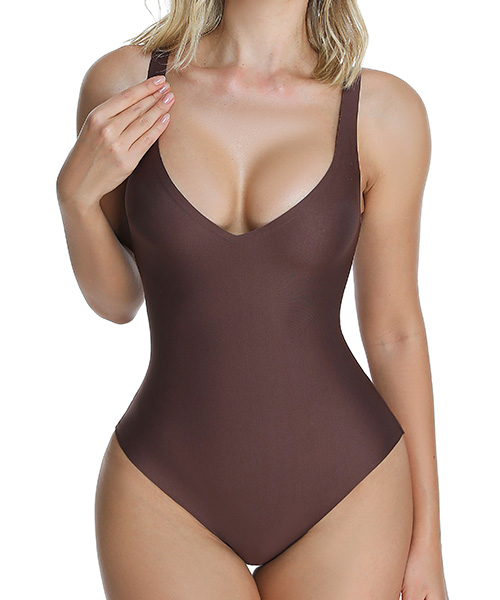
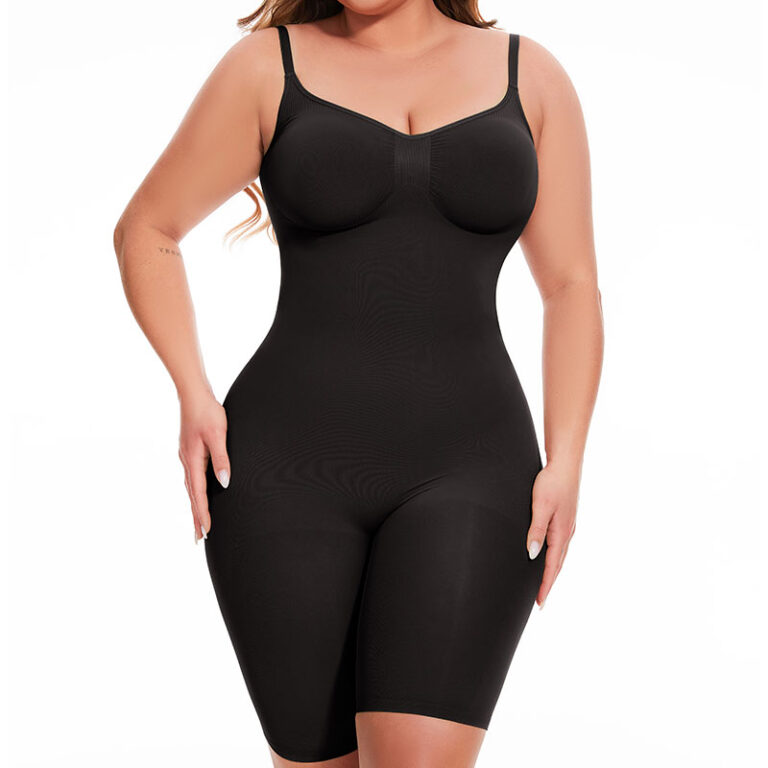
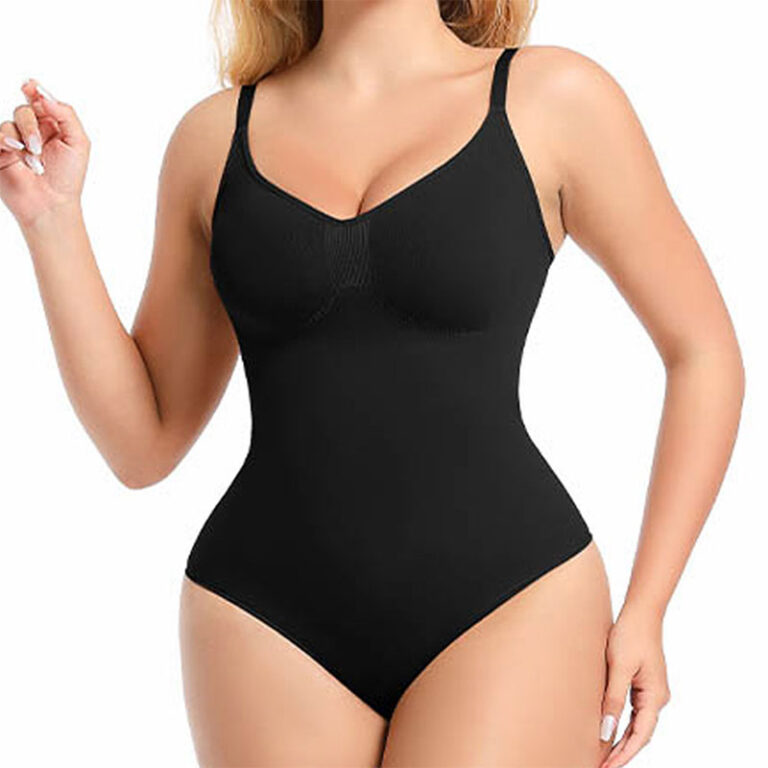
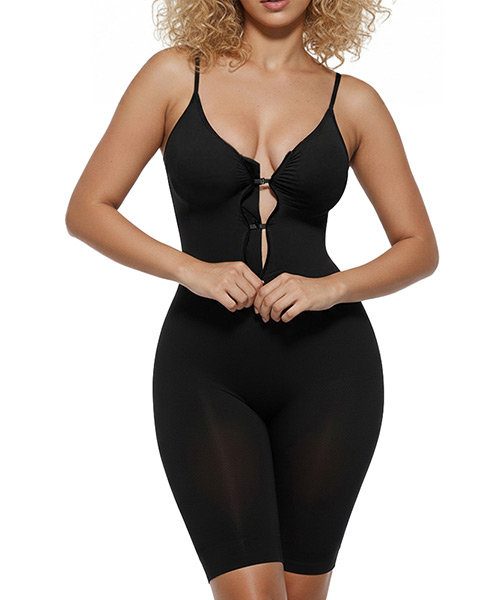
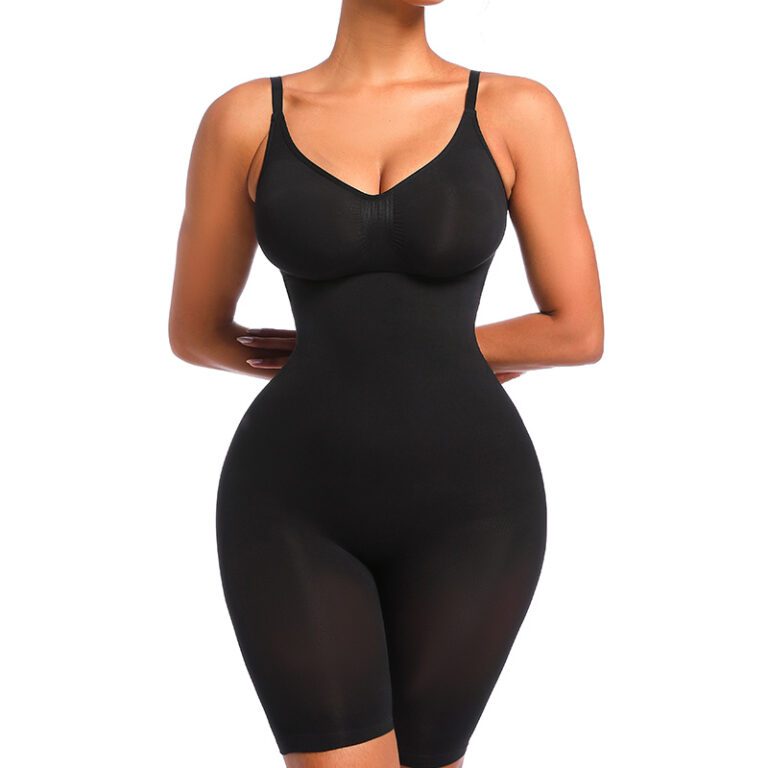
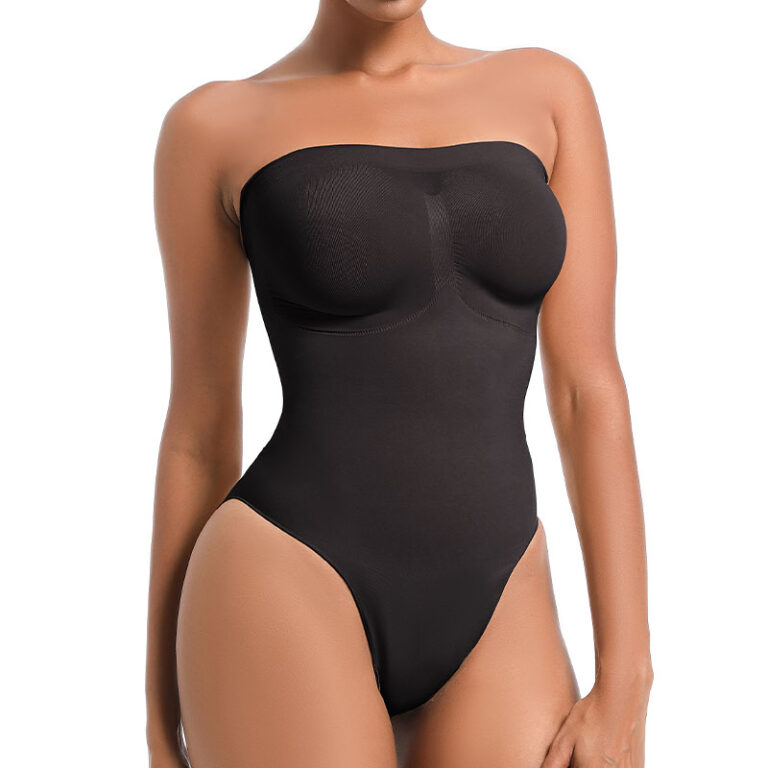
Seamless Knitting Technology: Knitted in a single continuous tube on high-precision circular knitting machines, entirely eliminating side seams. Constructed using our premium 80% nylon / 20% spandex blends (or 88/12 integrated with cooling yarns), it offers unmatched comfort and an invisible finish. This method yields faster production cycles and lower per-unit costs—engineered for high-growth global DTC brands and high-volume enterprise e-commerce platforms.
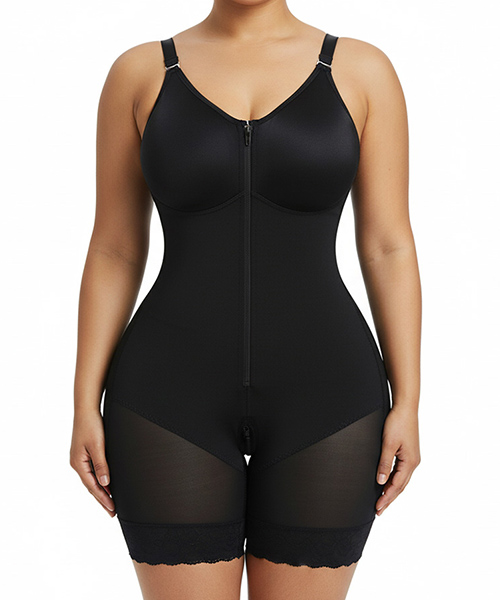
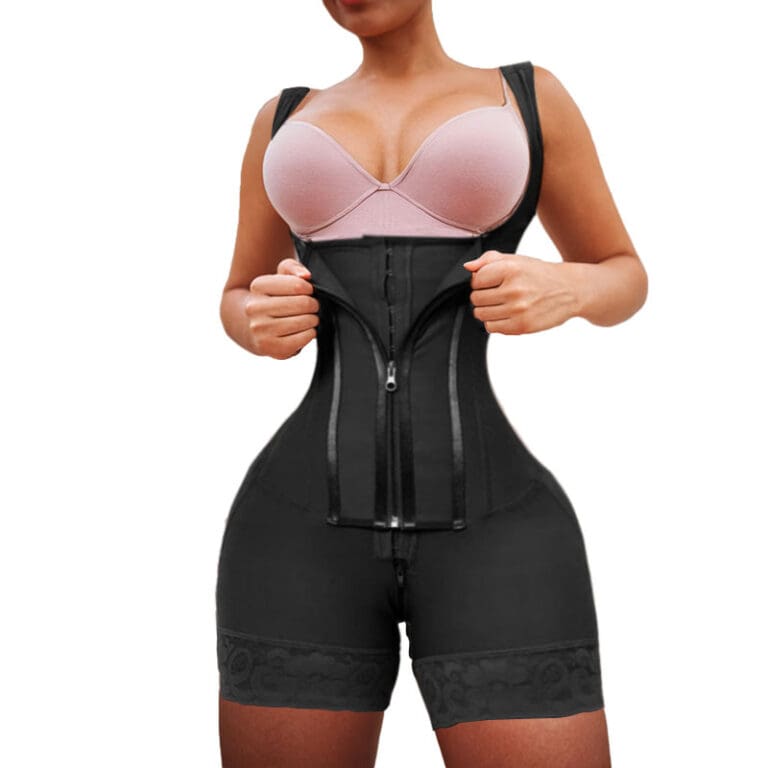
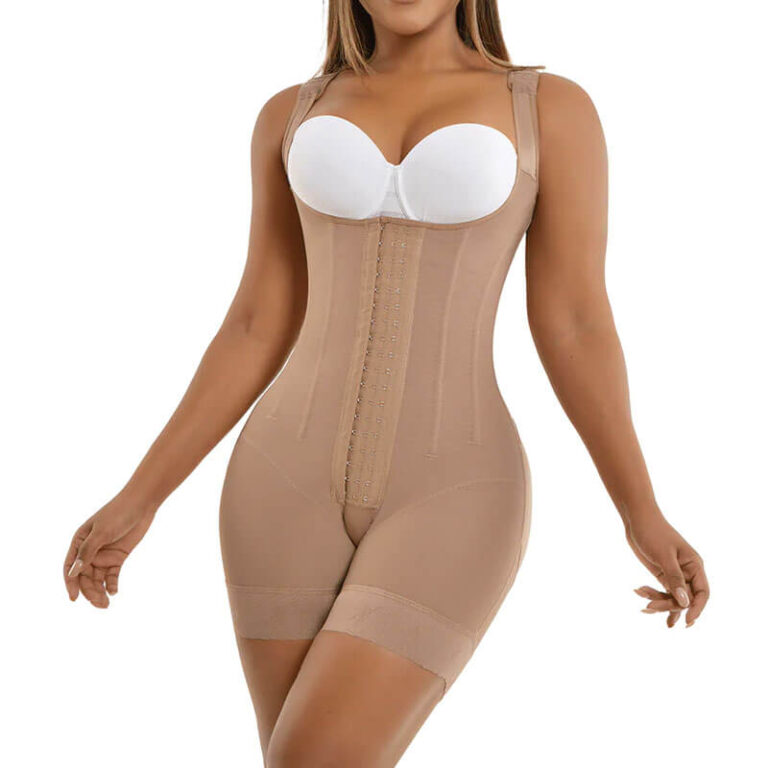
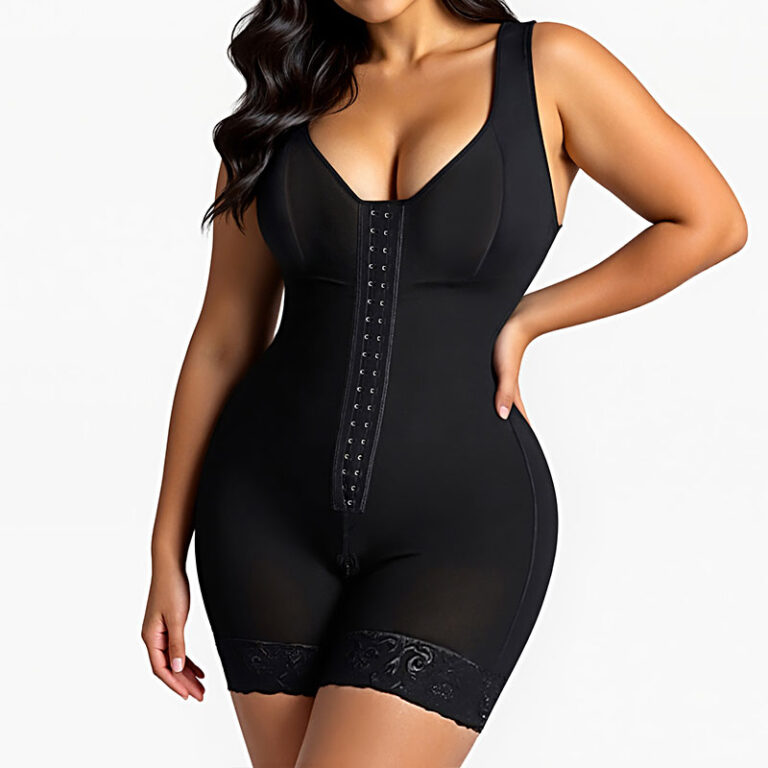
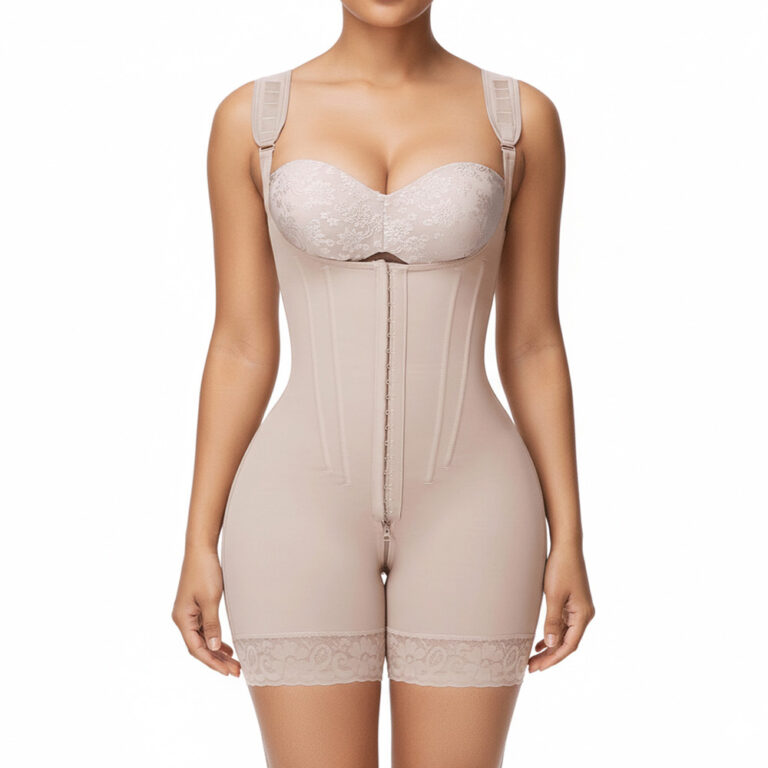
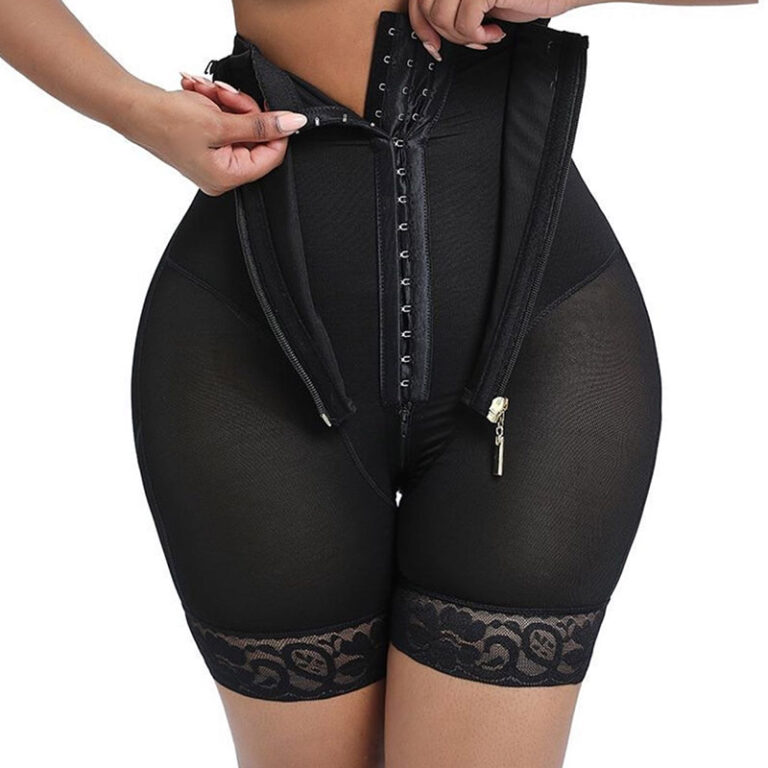
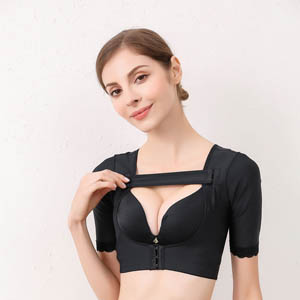
Cut-and-Sew Manufacturing: Constructed from custom-engineered fabric panels meticulously stitched together. This technique allows for complex, heavy-duty anatomical contouring using multi-panel Powernet compression, rigid boning channels, zippers, and multi-tier hook-and-eye closures—essential for premium post-surgical medical lines and high-end luxury sculpting brands.
We operate a tiered MOQ framework structured by construction type:
Bespoke Seamless Styles: 1,000 pieces per style/colorway.
Bespoke Cut-and-Sew Styles (Fajas/Waist Trainers): 300 pieces per style/colorway.
Strategic Advantage: Sizes can be mixed freely within these bulk volumes, allowing your brand to cover a comprehensive extended size matrix (up to 4XL/6XL) without inflating your inventory risk per SKU. MOQs are firm and reflect the dedicated pattern engineering and knit programming each custom style requires.
Absolutely. We maintain an extensive, mature library of 500+ proprietary patterns and possess advanced reverse-engineering capabilities. You can share a technical drawing package, standard tech packs, or a physical retail reference garment. Our in-house R&D team will analyze, match, and optimize the fabric density and compression curves to deliver a superior final product.
In-stock catalog samples: Ready for global dispatch within 24–48 hours.
Custom OEM/ODM prototypes: Completed within 7–10 business days.
IP Security Protocol: To fully safeguard your brand's proprietary market advantage and design exclusivity, a formal Non-Disclosure Agreement (NDA) is strictly executed prior to any design or pattern review.
We have engineered an industry-leading, three-layer anti-rolling protocol that has successfully reduced rolling-related consumer complaints to under 2% across global retail networks:
A 1.5cm medical-grade silicone anti-slip band is precision heat-bonded to the inner waistband.
Flexible spiral steel bones are seamlessly embedded into the lateral panels to maintain perfect vertical garment structure without digging into the skin.
An ultra-dense 260–280 GSM high-density knit zone is integrated directly into the waistband fabric to actively resist folding and creasing under maximum compression.
Our manufacturing ecosystem operates under strict international regulatory standards. Our facility and raw material supply chains proudly hold verified ISO 9001, BSCI, and OEKO-TEX Standard 100 certifications, ensuring all garments are entirely hypoallergenic and free from harmful chemical substances like azo dyes or formaldehyde.
We execute a strict quality mandate targeting a bulk defect rate under 1.5% using international AQL 2.5 standards, backed by 100% manual cosmetic and seam audits. Under our Quality Accountability Policy, any confirmed manufacturing variances are promptly resolved via credit balances, proportional refunds, or priority replacement manufacturing. Our historical international contract dispute rate remains under 0.3%.
We ensure streamlined global supply chain integration and complete production flexibility for international brands:
Bulk Lead Time: Standard production is typically completed within 25–35 days following pre-production (PP) golden sample approval.
Logistics Infrastructure: We provide efficient Air Freight DDP (7–10 business days door-to-door to your corporate warehouses, with all import duties and customs clearance fully managed on our side) as well as Sea Freight FOB Shenzhen (18–22 days transit to Western ports).
Flexible Labeling & Packaging: We offer comprehensive private label execution. Our factory can produce and assemble custom.
Request Pricing & Sample Development
Submit your project specifications or design brief. Our engineering team will deliver a comprehensive commercial proposal, including unit pricing and lead times, within 24 hours.
WhatsApp Us Now