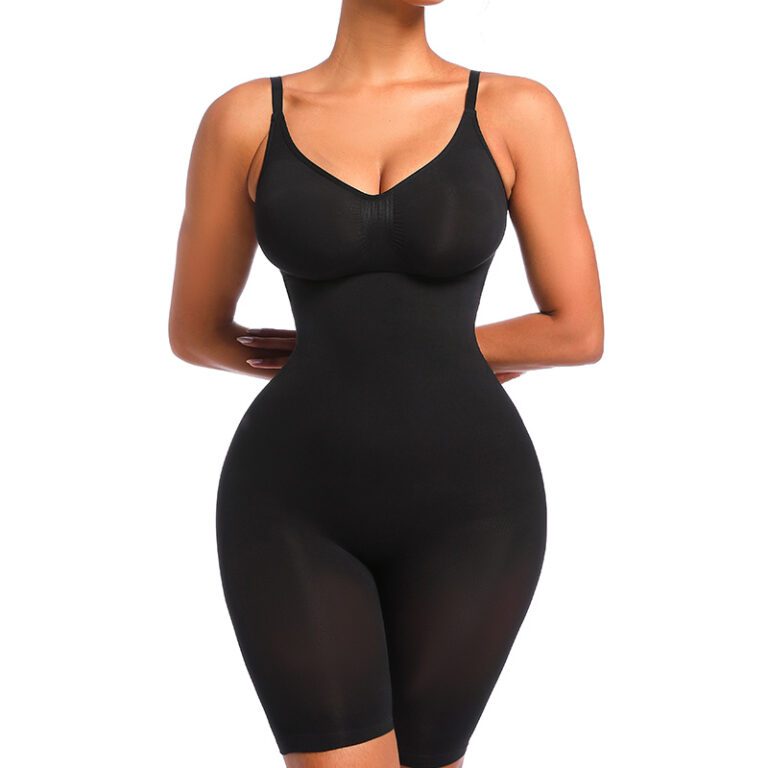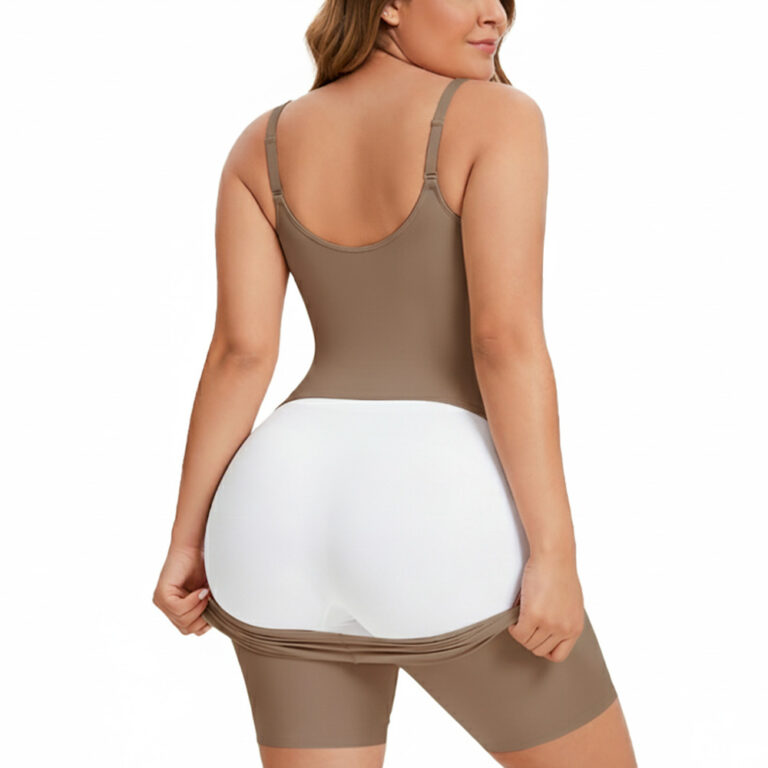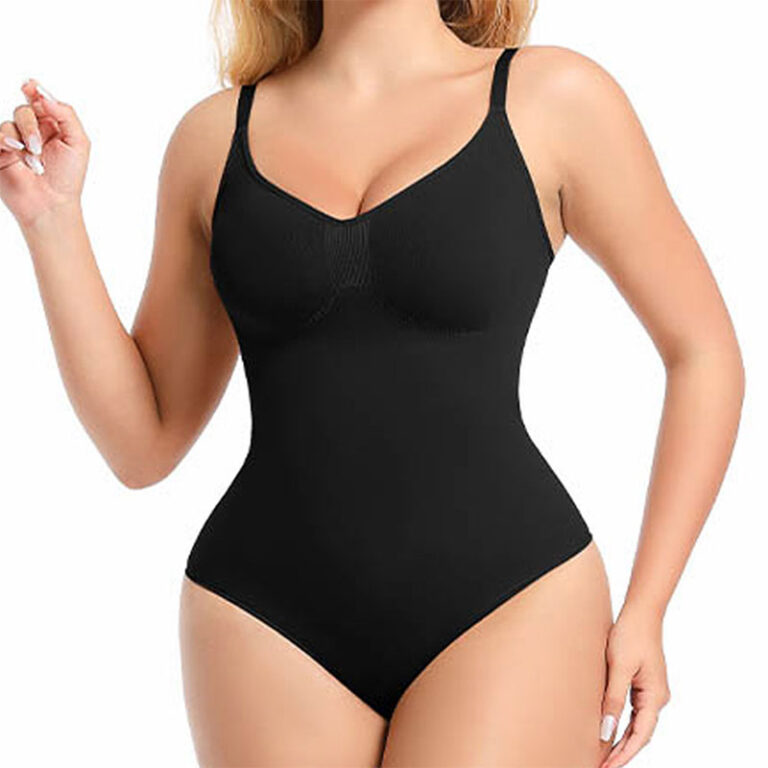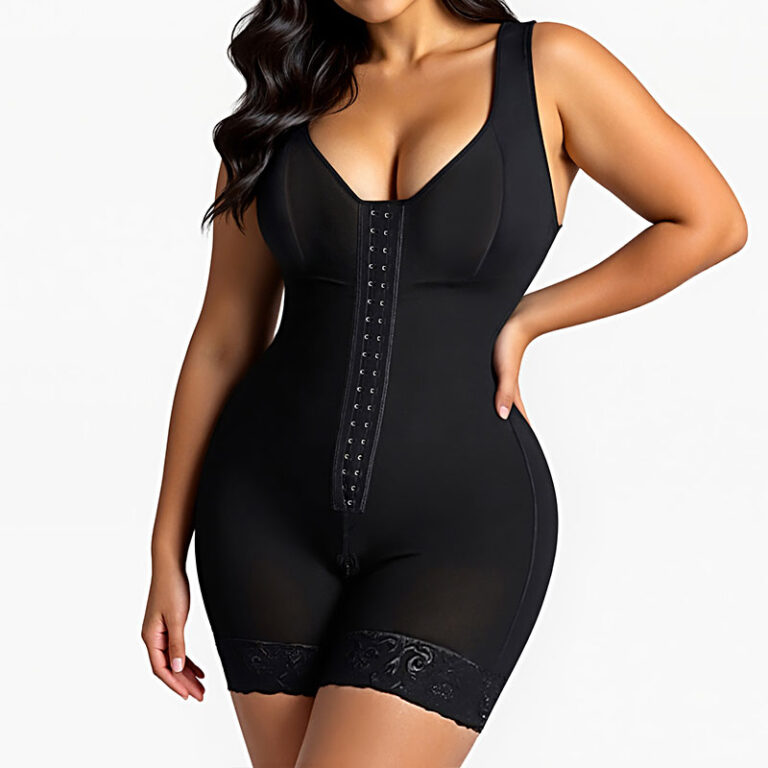
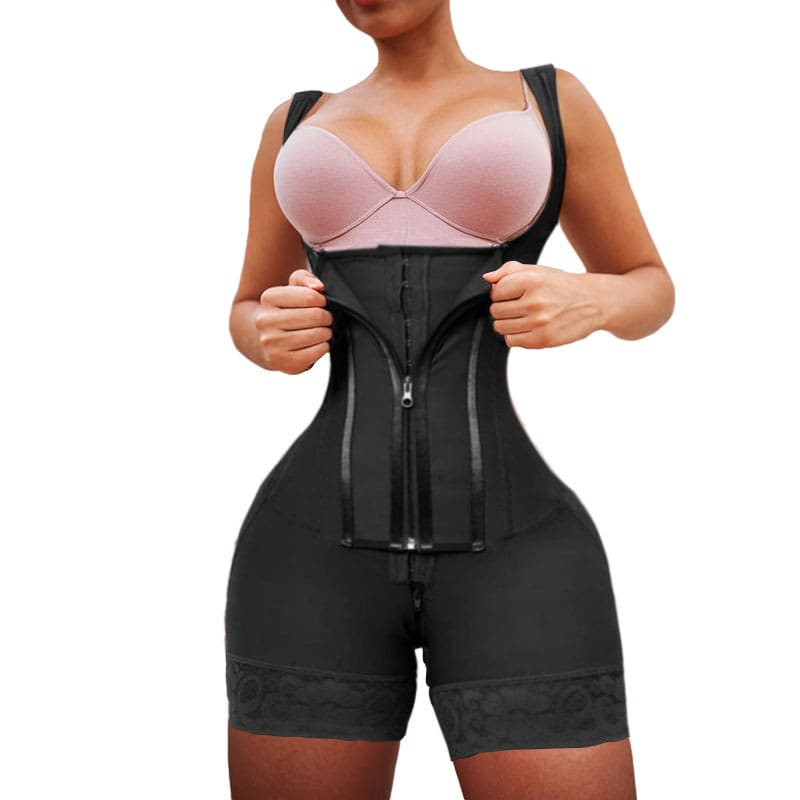
Stage 2 Post-Surgery Faja Colombiana for BBL Recovery
SKU: MT000711
NANBIN wholesale best colombian body shapers Stage 2 body shaper, MOQ 2Pcs, provide customize & private label solutions. Inquire today!
Compression level
LightMediumFirmExtra Firm
Minimum Order
1000pcs / colorway
- Pantone-matched custom color
- Construction modifications based on this style
- Custom size grading available
- Your label & packaging included
Size: XS
Custom Size
Oeko-Tex Standard 100
ISO 9001:2015
SGS
BSCI
| Fabric Composition | Nylon + Spandex (exact ratio varies by style) |
| Fabric Type | Knitted |
| Weaving Method | Seamless Knitted / Cut & Sew (style-dependent) |
| Thickness | Standard |
| Control Level | Medium (customizable to Light / Firm / Extra Firm) |
| Key Features | Breathable · Anti-Bacterial · Quick Dry · Seamless · Eco-Friendly |
| Certifications | OEKO-TEX Standard 100 · ISO 9001:2015 · SGS · BSCI |
| Needle Detection | Yes — 100% needle-checked before shipment |
| Care Instructions | Hand Wash · Do Not Iron · Do Not Tumble Dry |
| Place of Origin | Shenzhen, Guangdong, China |
| Sizes | XS / S / M / L / XL / 2XL / 3XL / 4XL |
| Colors | Black (custom colors available, Pantone matching supported) |
| Sample Lead Time | 7 business days |
| Bulk Production Lead Time | 25 business days after sample approval |
| Packaging | OPP Polybag · Hang tag · Branded box (OEM/ODM supported) |
| Logo | Heat-Transfer Print · Woven Label · Embroidery |
| Shipment | DHL · FedEx · UPS · Air Freight · Sea Freight |
| Services | OEM · ODM · Private Label |
Color & dyeing
Pantone TPG-matched dyeing. Submit your code or swatch — we develop and send a dyed swatch for your approval before production.
Branding & labels
Custom woven label, heat-transfer print, or embroidery. Hang tags and branded packaging included. Applied before shipment.
Pattern modification
Adjust compression zones, leg length, neckline depth, or strap width. Tech pack required for pattern changes.
Fabric selection
Choose from 12+ in-stock fabric options or submit your own spec. Nylon, Latex, Neoprene, and mesh variants available.
FBA packaging
FNSKU barcodes applied per unit. Cartons packed to Amazon's requirements. Shipped to US, EU, and JP warehouses.
ODM development
Bring a sketch or reference image. Our team handles pattern development, fabric selection, and sampling from scratch.
OEKO
OEKO-TEX Standard 100
All fabrics tested for harmful substances. Every component certified safe for direct skin contact.
CERTIFIED · Renewed annually
ISO
ISO 9001:2015
Factory quality management certified. Covers incoming inspection, in-line QC, and final audit.
CERTIFIED · Valid 2024–2027
BSCI
BSCI Audit
Labor standards, worker safety, and ethical manufacturing conditions verified annually.
AUDITED · Annual renewal
SGS
SGS Lab Testing
Third-party testing on request. Colorfastness, tensile strength, composition, restricted substances.
AVAILABLE PER ORDER
Production timeline
Day 1
Inquiry confirmed
Brief reviewed, respond within 24h
Day 5–7
Sample ready
Physical sample with your label completed
Day 8–14
Sample approval
Sample shipped to you for review · approval before bulk production
Day 15–20
Material sourcing
Sample confirmed · materials sourced and prepared
Day 21–45
Bulk production
Full production run · in-line QC at every stage
Day 46–50
QC & shipment
Final QC · export docs · ready to ship worldwide
All styles · Private label & OEM
Your brand.
Our factory.
Every product in our catalog can be manufactured under your label — from in-stock styles to fully custom construction. One factory, end to end.
10+
years in operation
Since 2015
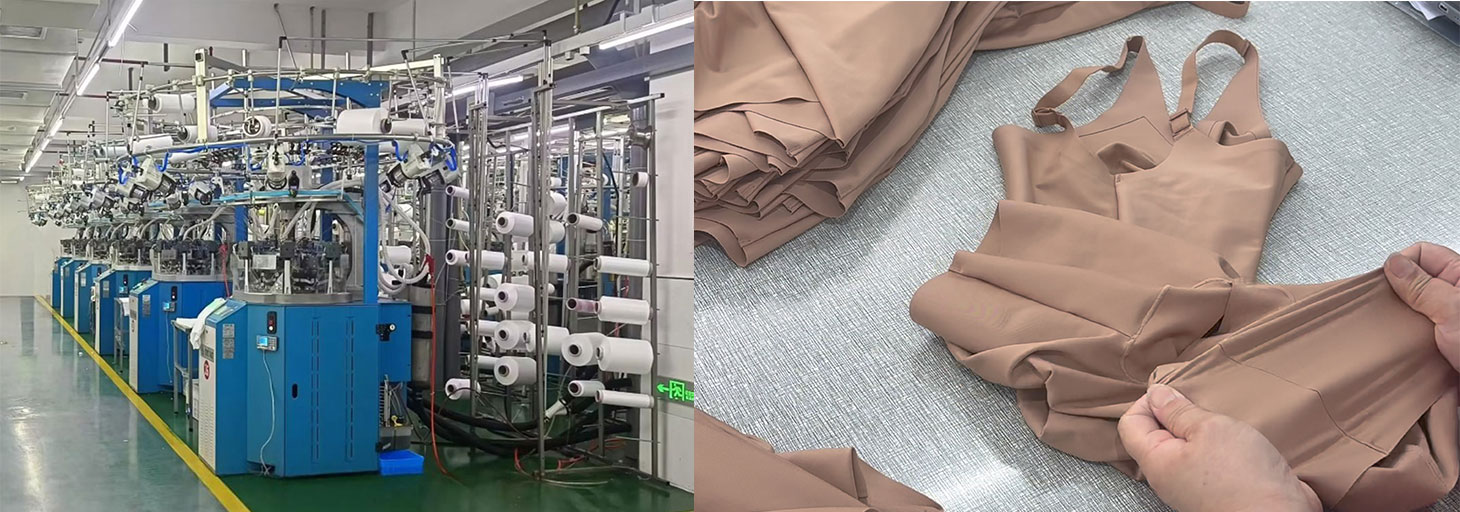
Shenzhen factory — cutting, sewing, QC, finishing in-house
100+
brands served
Across 30+ countries
Amazon FBA sellers, DTC brands, wholesale distributors
1M+
pcs per year
Stable production capacity
BSCI · OEKO-TEX · ISO 9001 · SGS certified