



Shapewear MOQ Guide: Everything You Need to Know About Minimum Order Quantities
Understanding MOQ is one of the first challenges B2B buyers face when sourcing shapewear from China. This guide explains how MOQ works and how to negotiate better terms for your business.
WHY MOQ MATTERS
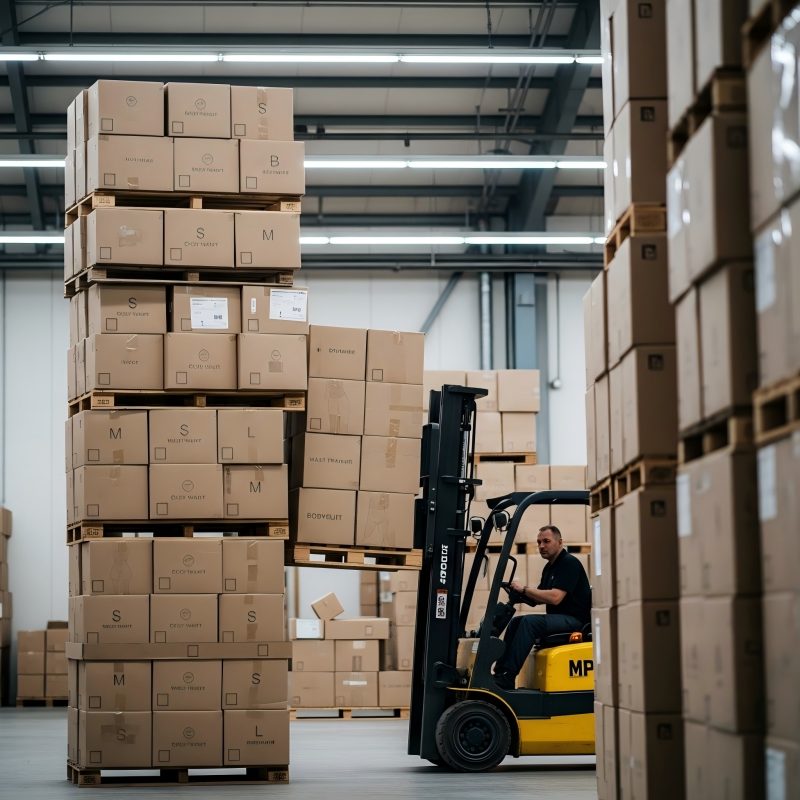
Minimum Order Quantity (MOQ) is the smallest number of units a manufacturer will produce per design, color, or size. Understanding MOQ helps you plan your inventory, manage cash flow, and avoid overstocking.
Factories set MOQ for good reasons. Production setup takes time and money. Material sourcing becomes cost-effective only at certain volumes. Running small orders often means the factory loses money. Most reputable shapewear manufacturers in China operate with MOQ because fabric purchasing, cutting, sewing, and packaging all have minimum efficiency thresholds.
As a B2B buyer, knowing how MOQ works helps you make informed decisions. Too high MOQ means tied-up capital. Too low MOQ means higher unit prices. Finding the right balance is key to profitability.
WHAT IS A STANDARD SHAPEWEAR MOQ
Most Chinese shapewear factories have MOQ ranges based on their business model:
- Standard MOQ: 300-500 pieces per color per size
- Custom MOQ: 500-1000 pieces for custom designs with private label
- Ready Stock: Can be as low as 50-100 pieces for existing styles
Factors that affect MOQ include fabric type, complexity of construction, and whether you need custom labeling or packaging. Some factories offer flexible MOQ for repeat buyers, especially after establishing trust through initial orders.
FACTORS THAT INFLUENCE MOQ
Fabric and Materials
Specialty fabrics often require higher MOQ because fabric suppliers have their own minimums. Common materials like nylon-spandex blends usually have lower minimums because they are widely available. Limited edition or premium fabrics such as bamboo fiber, copper-infused yarn, or sustainable materials may require 500+ units minimum. If your design requires specialty fabrics, factor this into your cost calculations.
Customization Level
Plain garments with no customization typically have lower MOQ. When you add custom elements, expect minimums to rise. Custom prints require minimum print yardage. Embroidered logos need setup time. Special finishes like cooling technology or shaping minerals add complexity. Custom packaging usually adds 200-500 units to the order because packaging suppliers also have minimums.
Factory Size
Large factories with automated production lines prefer larger orders (500+ units) to maximize efficiency. Medium factories may accept 200-300 units at slightly higher prices. Small workshops sometimes accept under 100 units but expect premium pricing. Your choice depends on your order volume and budget flexibility.
Production Complexity
Simple shapewear styles like basic control briefs have lower MOQ due to faster production. Complex items like bodysuits with built-in bras, multi-panel construction, or seamless technology require more labor and quality control, resulting in higher MOQs.
HOW TO NEGOTIATE LOWER MOQ
Start with a Relationship
Factories are more flexible with repeat customers who demonstrate reliability. Start with a reasonable initial order to build trust. Once the manufacturer knows you are serious about long-term business, future orders can have more flexibility. Many factories treat first-time buyers with standard MOQ but offer discounts after 2-3 successful orders.
Offer Higher Pricing
Accepting 10-20% higher unit price often reduces MOQ significantly. This premium covers the factorys additional setup costs and inefficiency of running smaller batches. For new product testing or limited editions, paying slightly more per unit makes business sense compared to overstocking.
Combine Multiple Styles
Order 3-4 different styles in one shipment. The factory spreads setup costs across styles, which can reduce individual style MOQs. For example, instead of 300 units of one style, order 100 units each of three styles for a total of 300 units.
Pay for Tooling
Custom molds, patterns, or dies cost money to create. Paying these tooling costs yourself gives you more control over MOQ. Tooling fees typically range from $100-500 depending on complexity. This investment can pay off if you plan to order regularly.
Order Multiple Colors
Instead of 300 units in one color, order 100 units each in three colors. The total volume remains the same, but you gain market variety. Factories often prefer this approach because it maintains production efficiency while giving you product diversity.
Join Group Orders
Some factories offer group ordering programs where multiple buyers combine orders for shared styles. You benefit from lower MOQ while the factory maintains production efficiency. This works best for standard styles without heavy customization.
COMMON MOQ MISTAKES TO AVOID
- Focusing Only on Price: The lowest MOQ often comes with the highest price per unit. Consider total cost, not just the per-unit price. Sometimes higher MOQ with better pricing works out cheaper overall.
- Ignoring Quality at Low Volumes: Factories may rush low-volume orders or assign them to junior staff. Quality can suffer. Always communicate quality expectations clearly regardless of order size.
- Not Planning Inventory: Low MOQ sounds good but can lead to stockouts if demand exceeds expectations. Plan your reorder timeline carefully and communicate lead times with your manufacturer.
- Not Understanding the Full Picture: MOQ is just one factor. Consider lead time, quality consistency, communication, and reliability. A factory with higher MOQ but better reliability may serve you better long-term.
- Ignoring Hidden Costs: Tooling, sample fees, and shipping add up. Factor these into your calculations when comparing MOQ options.
WORKING WITH YOUR MANUFACTURER
The right manufacturer becomes a long-term partner in your business growth. At ShaperFactory, we work with B2B clients to find flexible solutions that balance MOQ, pricing, and quality. Our team understands the challenges B2B buyers face and strives to accommodate different order sizes.
Contact us to discuss your specific needs. Whether you are launching a new brand or expanding an existing line, we can help find the right manufacturing solution for your business.