

Waist Trainer Manufacturer in China — Wholesale, OEM & Private Label
Why Leading Brands Source from Nanbin
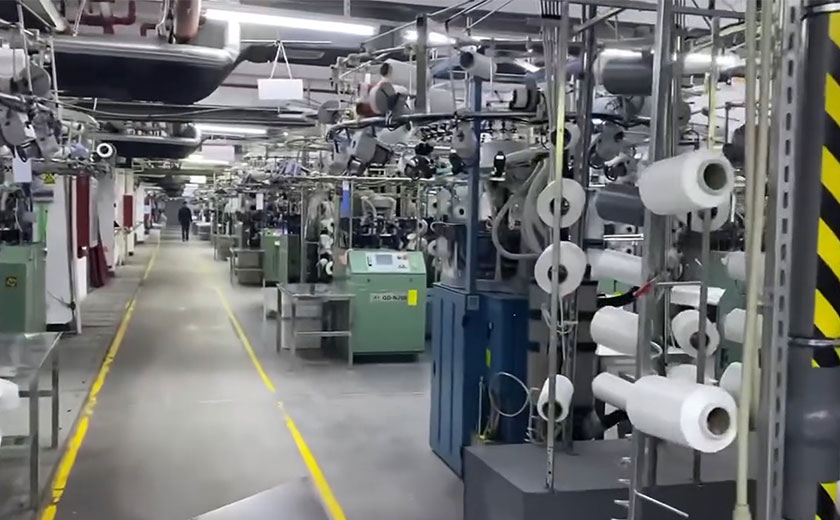
A vertically integrated workflow managing the entire lifecycle from material sourcing to final packaging, ensuring optimal supply chain transparency for global brands.
 01
01
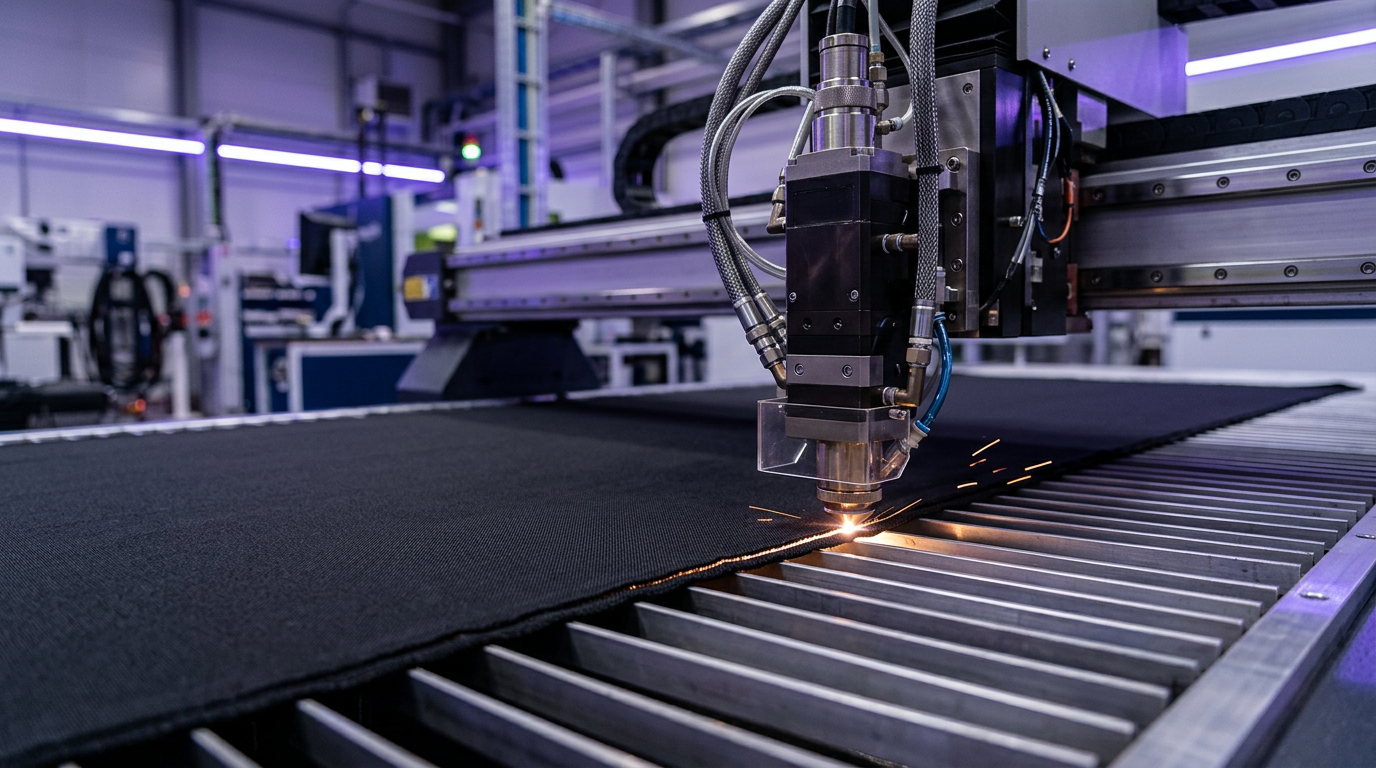
Advanced Santoni circular knitting machinery. Proprietary fabric software and needle programming managed under strict confidentiality.
 02
02
Technical application of premium cooling yarns, GRS-certified recycled nylon, and antibacterial graphene composites.
 03
03
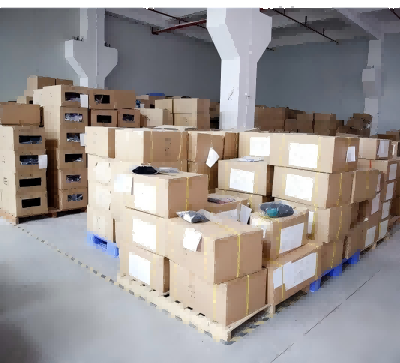
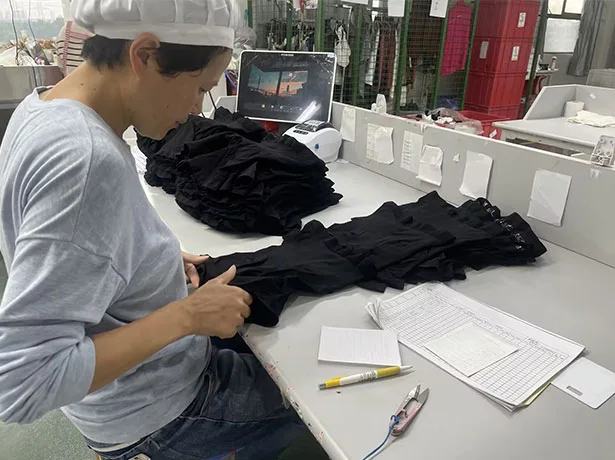
Multi-tier in-process QC checkpoints paired with formal AQL 2.5 statistical sampling audits, maintaining a verified <1.5% defect rate.
 04
04
Customized woven labels, custom-molded trims, and specialized packaging engineered to comply perfectly with global brand specifications and international logistics standards.
Built for Brands That Scale
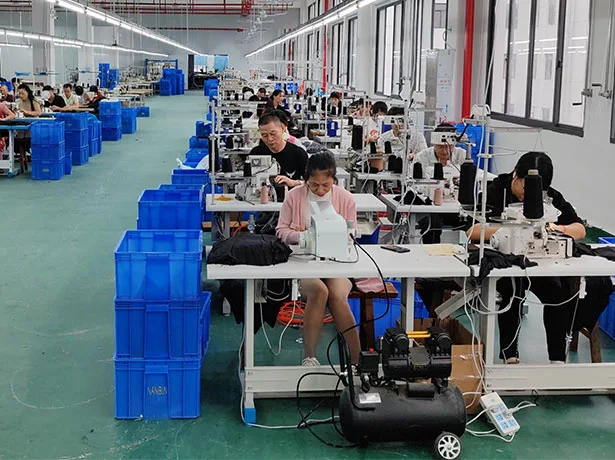
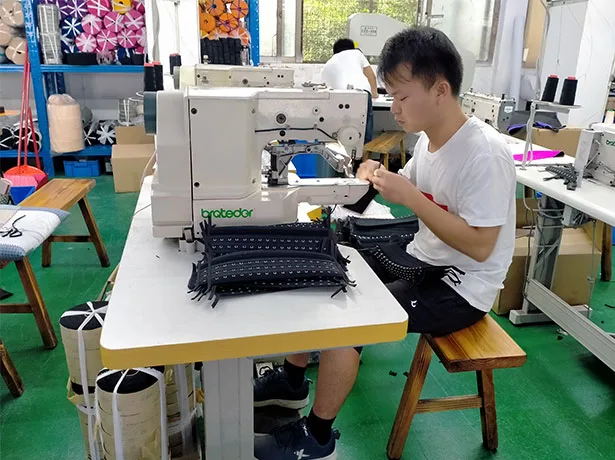
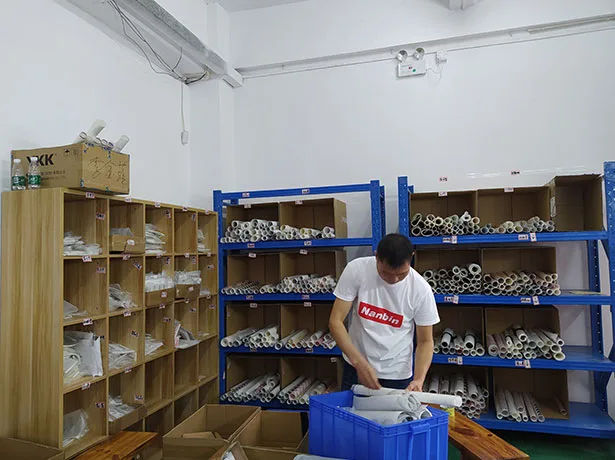
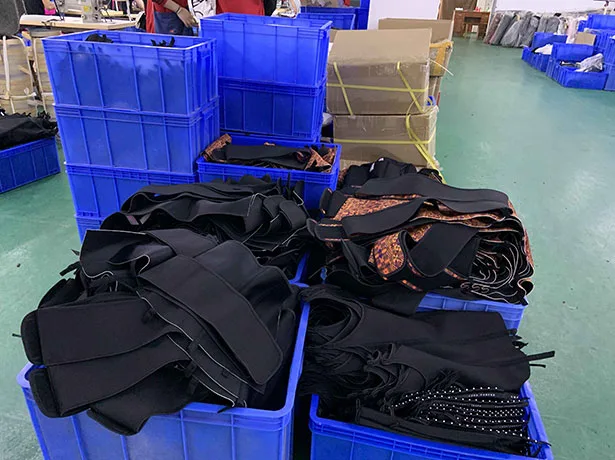
Established in 2015, engineering high-performance shapewear and functional compression collections for North America, Europe, and the Middle East. One core specialization, executed to tier-one industrial standards.
Buyer Questions, Answered
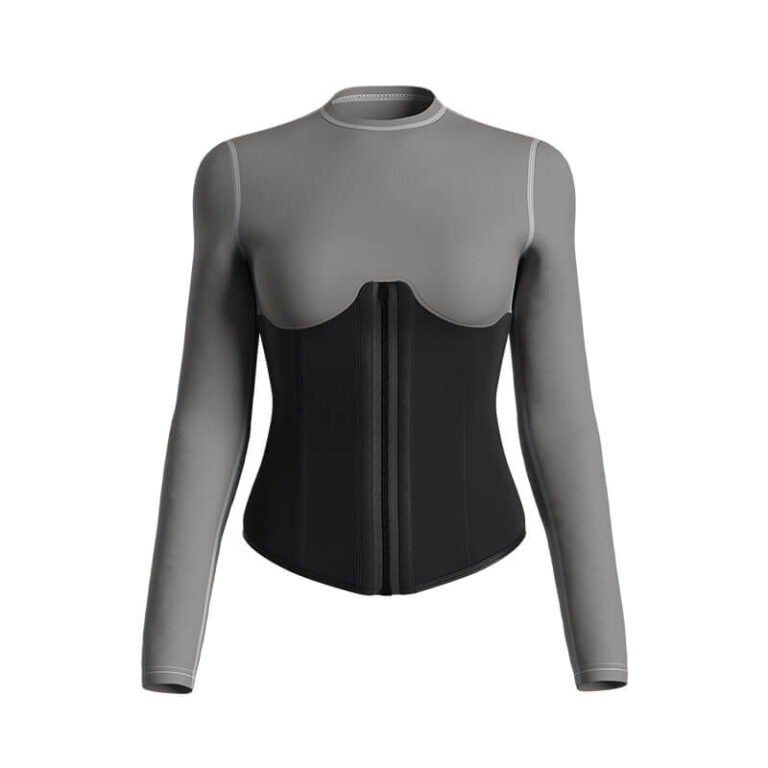
A waist cincher is a short, firm compression band worn around the midsection to instantly reduce waist appearance and provide lower back support. It typically sits between the ribcage and hips and is designed for all-day wear under clothing.
A waist trainer is a longer garment — often extending from just below the bust to the hips — designed for more intensive waist compression during workouts or extended wear. Waist trainers typically use stronger boning structures and latex or neoprene materials to generate heat and sweat around the core.
In wholesale sourcing terms: waist cinchers have broader everyday appeal and higher sell-through rates for general retail; waist trainers target fitness-focused consumers and carry higher perceived value, supporting a higher retail price point.
These are the two dominant materials in the waist cincher market, and they serve different customer needs:
- Latex — delivers maximum compression and thermogenic (heat-generating) effect. Natural latex conforms tightly to the body, making it the top choice for waist training results. However, latex is not suitable for customers with latex allergies, and requires hand washing. Retail price range: mid to premium.
- Neoprene — a synthetic rubber alternative that generates similar heat and sweat effects without the allergy risk. More durable, easier to clean, and better suited for workout use. Slightly lower compression than latex but higher comfort for extended wear.
For wholesale buyers targeting the fitness and gym market, neoprene typically has broader addressable market. For premium waist training brands, latex remains the category standard.
- Waist cincher — modern stretch materials (latex, neoprene, powernet), hook-and-eye or velcro closure, primarily functional. Designed for daily wear, postpartum recovery, and workout support. Mass market appeal.
- Corset — structured boning (steel or spiral), lace-up or busk closure, covers a longer torso section. Appeals to both fashion (editorial, bridal, costume) and waist training segments. Higher construction complexity and cost.
For Amazon and TikTok sellers: waist cinchers move faster due to broader use cases and lower price sensitivity. For boutique or fashion brands: corsets command higher margins and stronger brand differentiation.
We manufacture both, and many of our wholesale partners source a core waist cincher range alongside 2–3 corset styles for upsell positioning.
Boning count directly affects shaping performance and comfort. Here is the industry standard breakdown:
- 4–6 bones — entry-level waist cinchers. Provides basic structure but may roll or fold during movement. Suitable for light-compression everyday styles.
- 8–10 bones — mid-range standard. Balanced support without restricting movement. Our most common configuration for wholesale styles.
- 12–16 bones — premium waist trainers and corsets. Maximum structure, recommended for active waist training and post-surgical use.
We use two bone types: spiral steel bones (flexible, bend with movement, preferred for waist cinchers) and flat steel bones (rigid, prevent torso compression — used at front and back panels of corsets). On request, we also offer flexible resin bones for comfort-focused styles.
A short torso waist cincher is a narrower-profile garment (typically 8–10 inches tall vs. the standard 11–13 inches) designed for women with a shorter distance between the ribcage and hip bone — generally under 7 inches of torso length.
Standard waist cinchers on short torso customers cause two common complaints: digging into the hip bone below, and pushing up under the bust above. Short torso styles solve both issues through a proportionally reduced height and adjusted boning placement.
This is a meaningful niche in the North American market — petite women, some plus-size customers, and postpartum buyers often require this fit. We offer short torso variants in both latex and neoprene, and can customize torso height for OEM orders.
Yes — workout-optimized waist cinchers are one of the strongest-performing categories on Amazon and TikTok Shop. Material choice significantly affects the workout experience:
- Neoprene — the preferred workout material. Generates heat around the core to increase sweat output, supports lower back during lifting, and is durable enough for repeated gym use. Machine washable.
- Latex — provides stronger compression and thermogenic effect but is less breathable. Better suited for lower-intensity workouts or wearing under gym clothes for waist training sessions.
- PowerNet / mesh panels — ventilation-focused construction. Less heat generation, but significantly more comfortable for high-intensity training. Ideal for hot climates or customers who prioritize breathability.
For brands targeting the fitness market, we recommend a neoprene core range with an optional PowerNet upgrade SKU at a higher price point.
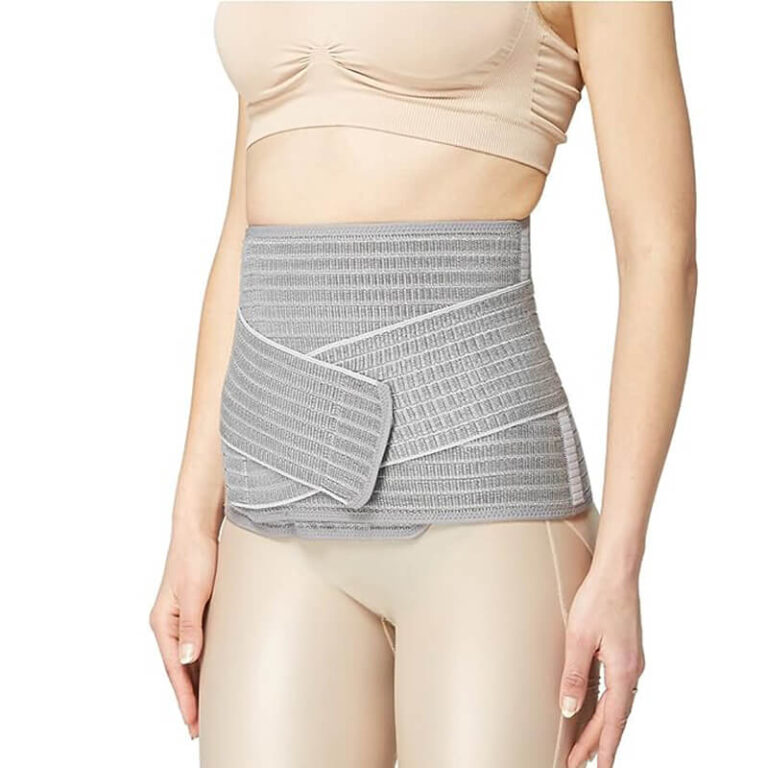
A waist wrap (also called a belly wrap or postpartum wrap) is a flexible, adjustable compression band without boning structure. It uses velcro or hook-and-eye closure and wraps around the midsection in layers, allowing the user to control compression level and coverage area.
Key differences from a structured waist cincher:
- No boning — softer, more comfortable for postpartum recovery, medical use, or all-day desk wear
- Adjustable fit — wraps accommodate body changes over time (e.g., postpartum recovery stages)
- Lower retail price point — simpler construction, easier to produce at scale.
Waist wraps are a strong entry product for brands targeting the postpartum recovery and back support markets, where medical-adjacent positioning commands customer trust and repeat purchase loyalty.
MOQ for waist cinchers and fajas depends on customization level. Cut-and-sew styles — including latex, neoprene, and PowerNet constructions — start at 300 pcs per style/colorway. Sizes can be mixed freely within each style-color combination. Woven labels, wash care labels, hangtags, and custom packaging require a minimum of 1,000 pcs; we hold any excess for your future restocks.
Yes. We offer full OEM/ODM services for latex waist trainers, including:
- Custom latex thickness — standard (3–layer) or premium (4–layer) latex construction
- Custom boning count and type — from 9-bone entry-level to 25-bone premium waist training corsets
- Custom hardware — branded hook-and-eye closures, custom zipper pulls, logo-engraved clasps
- Custom fabric lining — inner cotton lining for comfort; outer satin, mesh, or jacquard fabric for aesthetics
- Branded packaging — custom hang tags, care labels, polybag printing, and retail boxes
We sign an NDA prior to any custom design review. Sampling for custom latex styles typically takes 10–14 business days from tech pack approval.
Amazon FBA compliance for waist cinchers involves several checkpoints we manage as standard:
- Accurate size labeling — all garments are labeled using US standard sizing with a waist measurement range (e.g., S = 24"–28") to reduce size-related return rates
- Suffocation warning labels — required on all polybag packaging per Amazon policy
- FNSKU barcode labeling — we can apply your FNSKU barcodes to each unit before shipment at a nominal fee
- Hook-and-eye rust prevention — all metal hardware is treated with anti-oxidation coating, critical for sea freight in humid conditions
- Needle detection — every garment passes our needle detector before packing to ensure no broken needles remain in the product
We have fulfilled Amazon FBA prep orders for partners shipping to US, UK, DE, and CA fulfillment centers.
We offer four boning options for custom corset construction, each suited to different end-use cases:
- Spiral steel bones — flexible in all directions, follow body movement, preferred for waist training and everyday wear corsets. Standard in most of our production.
- Flat steel bones — rigid, placed at center front and back to prevent torso bending and maintain posture. Used in combination with spiral bones in structured corsets.
- Flexible resin / plastic bones — lightweight and rust-proof, suitable for fashion corsets and costume applications where hard compression is not required.
- Spring steel bones — premium option, returns to original shape after compression. Used in high-end waist training corsets commanding higher retail price points.
Bone count, channel placement, and casing material (cotton twill vs. nylon tape) can all be customized per your tech pack specification.
Lead times vary by product type and order complexity:
- Ready-to-ship catalog styles — dispatch within 3–5 business days
- Private label on existing styles — 10–15 business days (label production + inspection)
- Custom neoprene / powernet waist cinchers — 20–25 business days after PP sample approval
- Custom latex waist trainers — 25–35 business days after PP sample approval (latex curing and layering requires additional processing time)
- Custom steel-boned corsets — 30–40 business days due to boning channel construction and hand-finishing requirements
We recommend placing holiday season orders (Q4) at least 10–12 weeks in advance to account for peak production scheduling and sea freight transit time.
Request Pricing & Sample Development
Submit your project specifications or design brief. Our engineering team will deliver a comprehensive commercial proposal, including unit pricing and lead times, within 24 hours.
WhatsApp Us Now